Comprehensive Evaluation
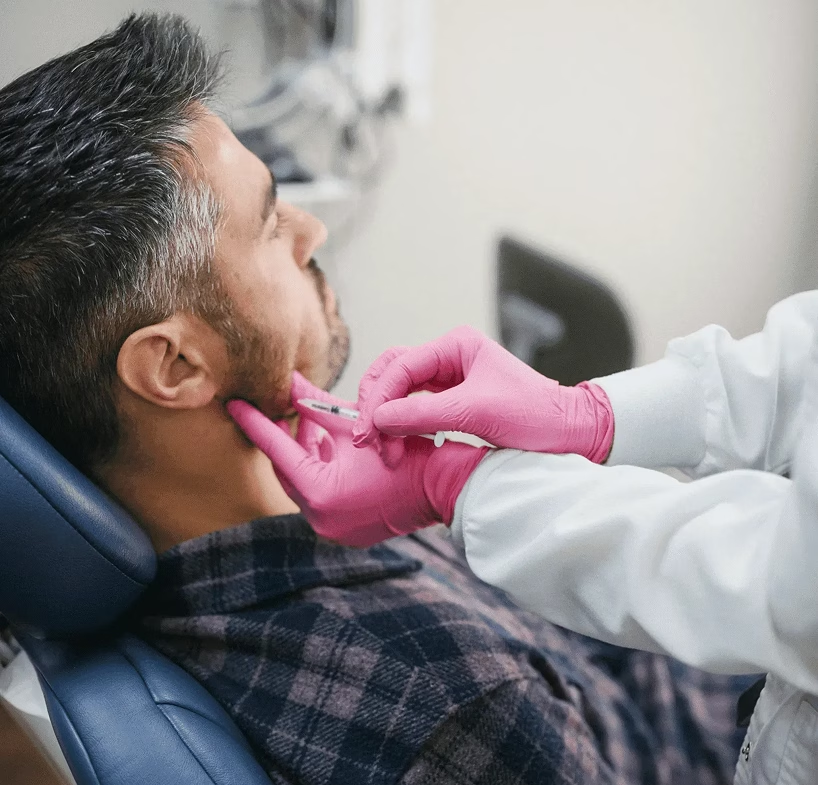
We’ll evaluate your symptoms, jaw function, and bite to determine whether Botox may be an appropriate treatment option.

Find relief from jaw pain, muscle tension, headaches, and teeth grinding with Botox® for TMJ. This minimally invasive treatment relaxes overactive jaw muscles, helping improve comfort and quality of life.
RELAX THE MUSCLES. REDUCE THE PAIN.
Living with TMJ discomfort can make everyday activities like eating, speaking, and sleeping uncomfortable. For some patients, overactive jaw muscles caused by clenching or grinding contribute to ongoing pain, tension, and headaches.
At TriState Family Dental Centers, Botox® is offered as a conservative treatment option for appropriate patients. By relaxing targeted jaw muscles, Botox may help reduce muscle tension, ease discomfort, and improve jaw function without surgery.
HELPING YOU FEEL MORE COMFORTABLE EVERY DAY
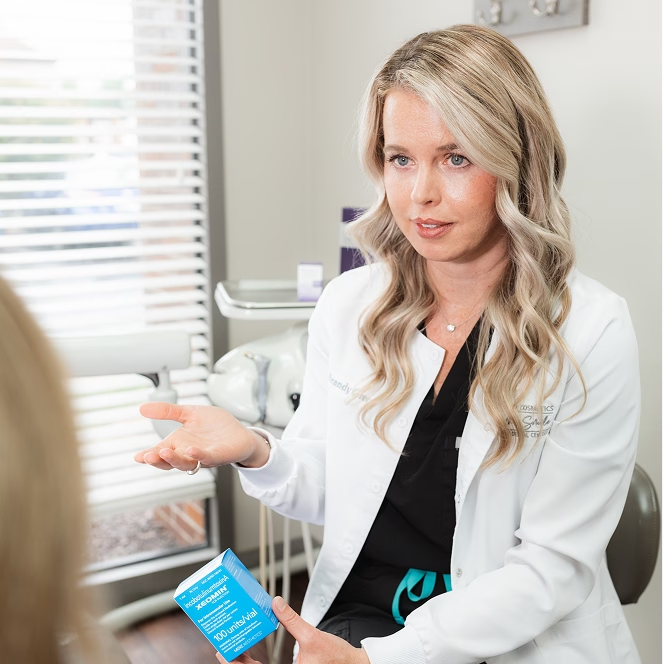
Botox for TMJ can do more than reduce jaw pain. By relaxing overactive muscles, it may improve everyday comfort and decrease the strain caused by chronic clenching and grinding.
TARGETED RELIEF WITHOUT SURGERY.
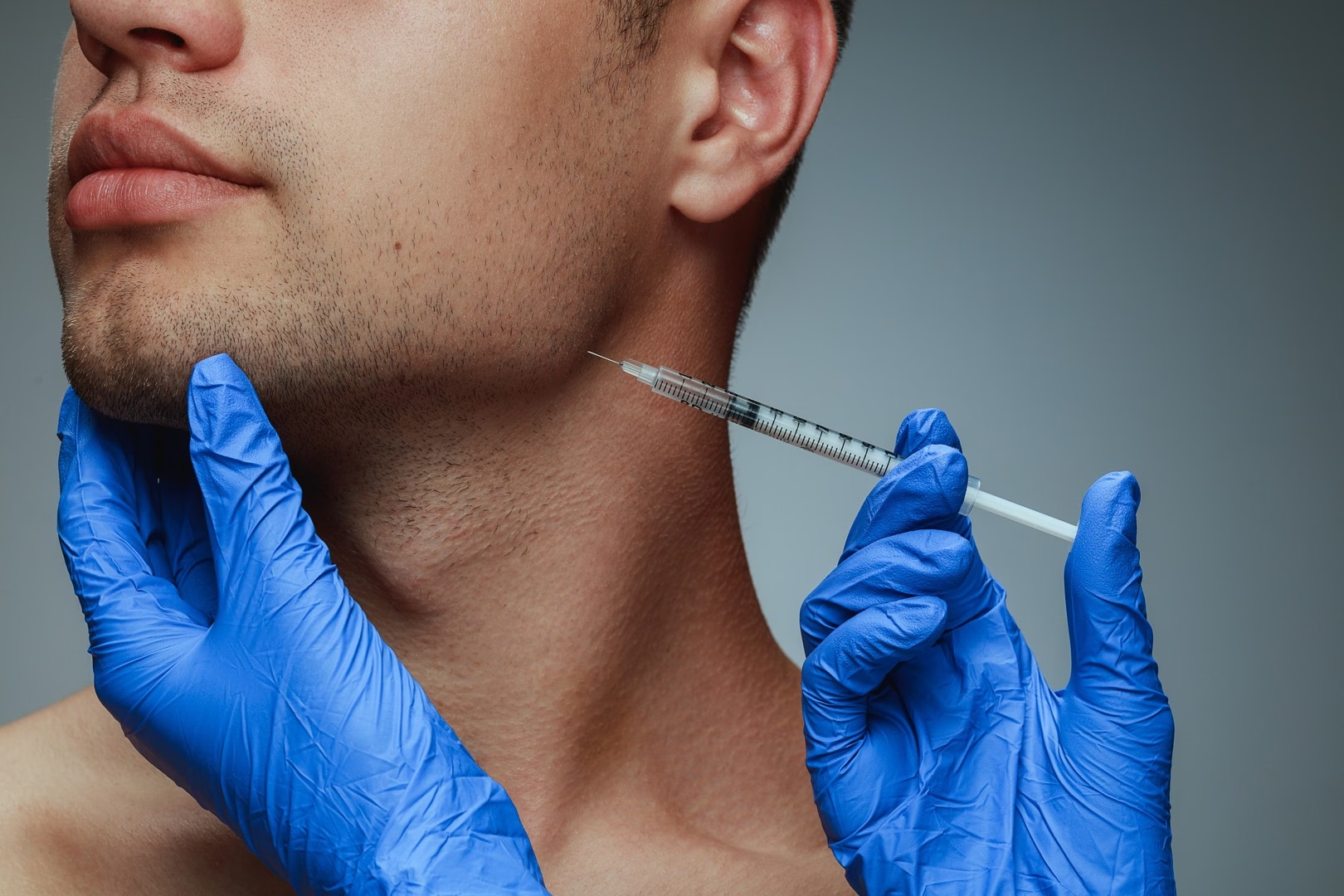

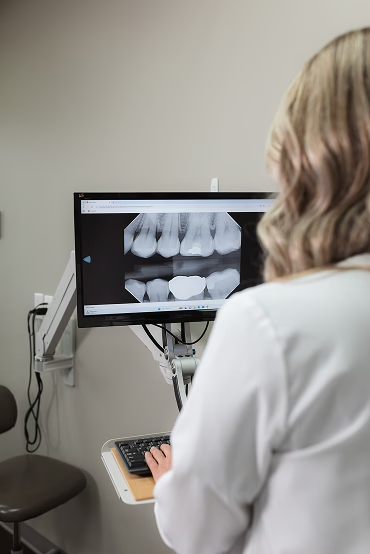

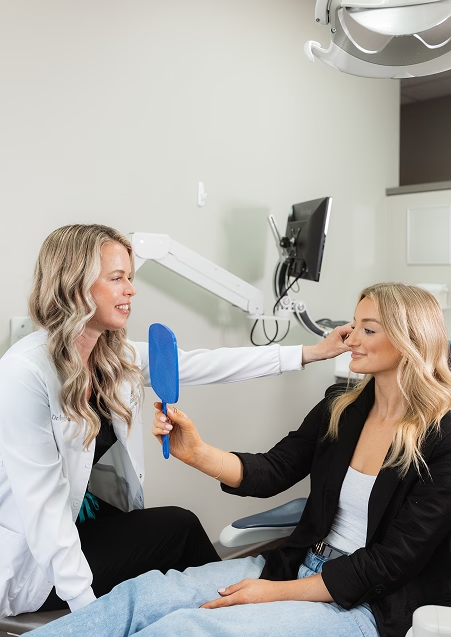
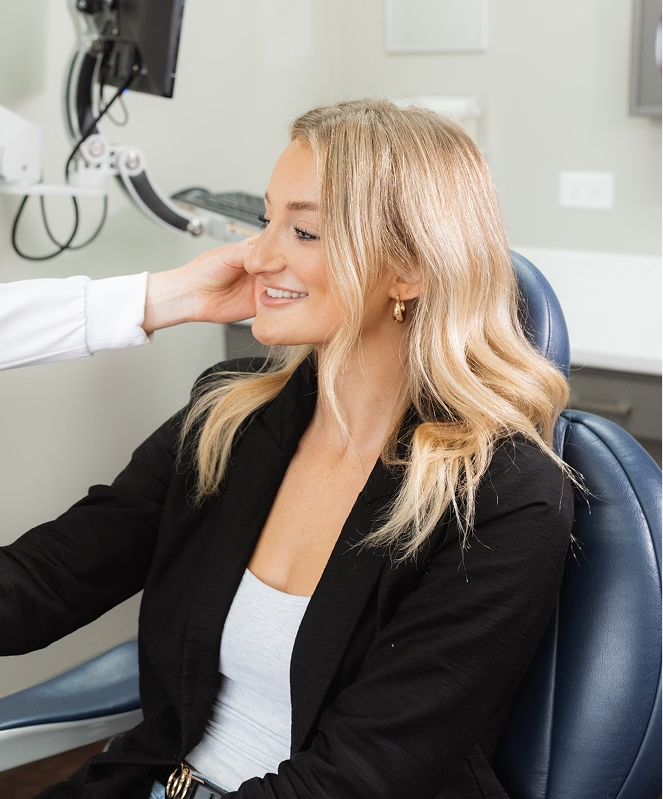
For patients with TMJ symptoms caused by muscle overactivity, Botox may provide meaningful relief by relaxing the muscles responsible for pain, tension, and clenching.
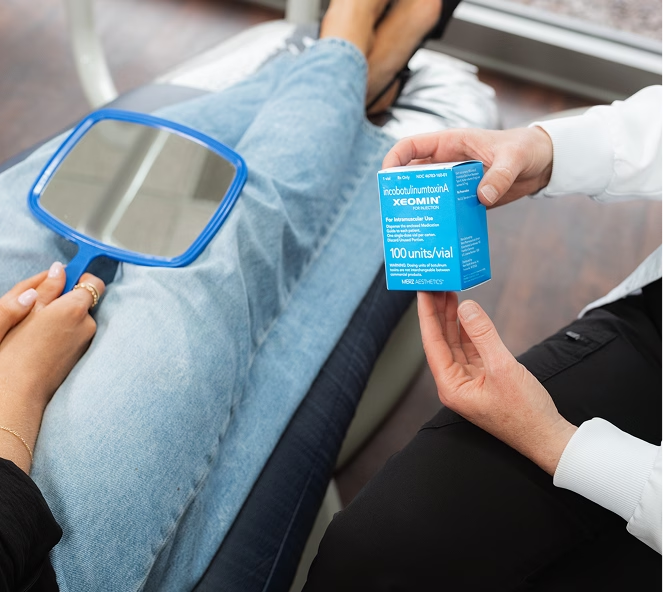
Botox may be recommended if you:

Botox helps relax overactive jaw muscles that contribute to pain, tension, headaches, and teeth grinding. It focuses on reducing muscle activity and relieving symptoms.
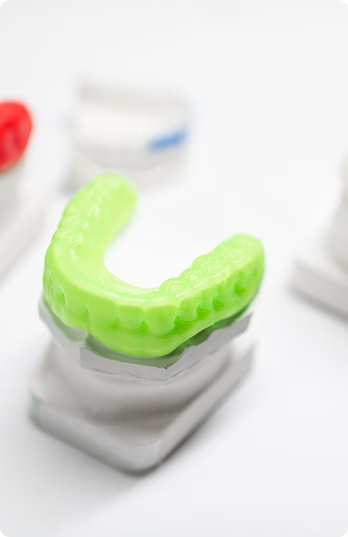
An occlusal (night) guard protects your teeth from the damage caused by grinding and clenching while helping reduce pressure on the jaw. In some cases, both treatments may be recommended as part of a comprehensive TMJ management plan.
Have questions about our services, locations, or what to expect at your first appointment?
We have answers
Botox temporarily relaxes overactive jaw muscles, which may help reduce muscle tension, pain, headaches, and teeth grinding associated with TMJ disorders.
Most patients experience results for approximately three to four months, although individual results vary.
No. Botox is not a cure for TMJ disorders, but it may help manage symptoms for patients whose discomfort is related to muscle overactivity.
Most patients report only mild discomfort. The injections are performed using very fine needles and take only a few minutes.
Many patients begin noticing symptom relief within several days, with full effects developing over one to two weeks.
Insurance coverage varies. While cosmetic Botox is generally not covered, therapeutic Botox for certain medical conditions may be eligible depending on your diagnosis and insurance plan.
Explore More TMJ Treatments