We Listen
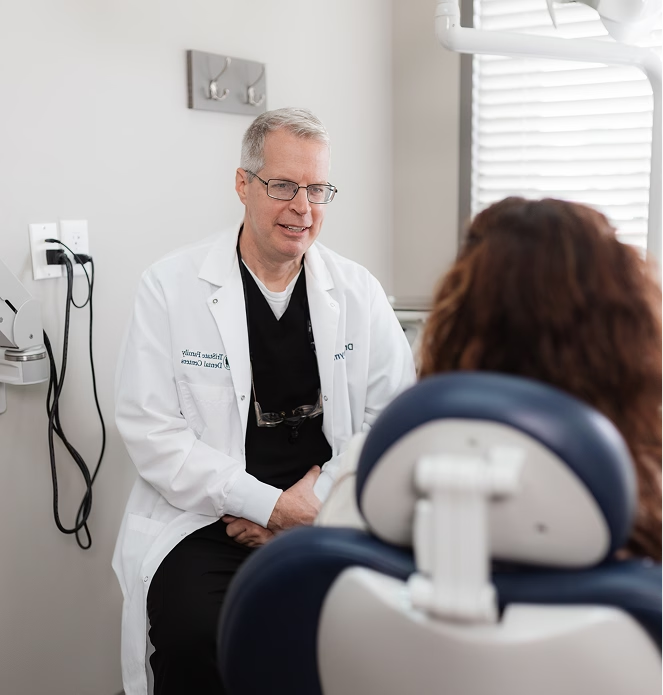
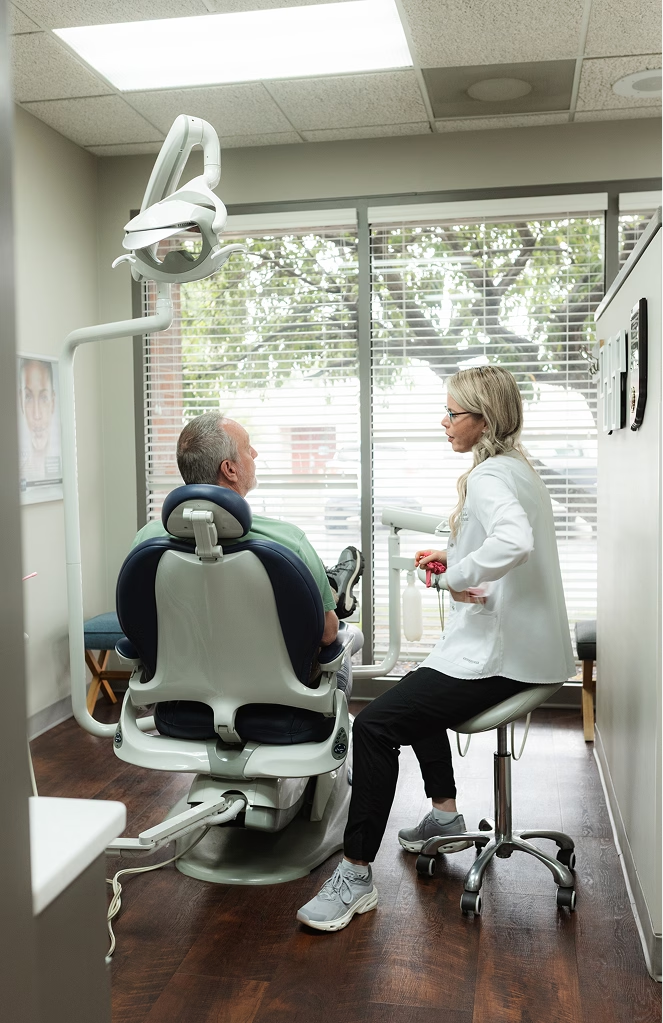
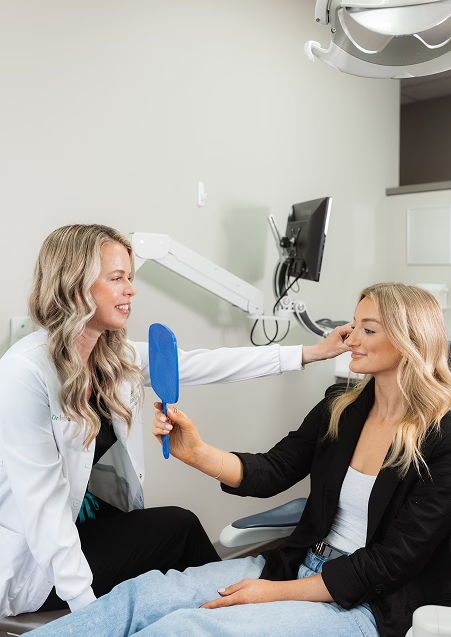
We’ll discuss your symptoms, jaw discomfort, headaches, grinding habits, and medical history.

We’ve been part of the Evansville community for years, building relationships — not just patient charts.
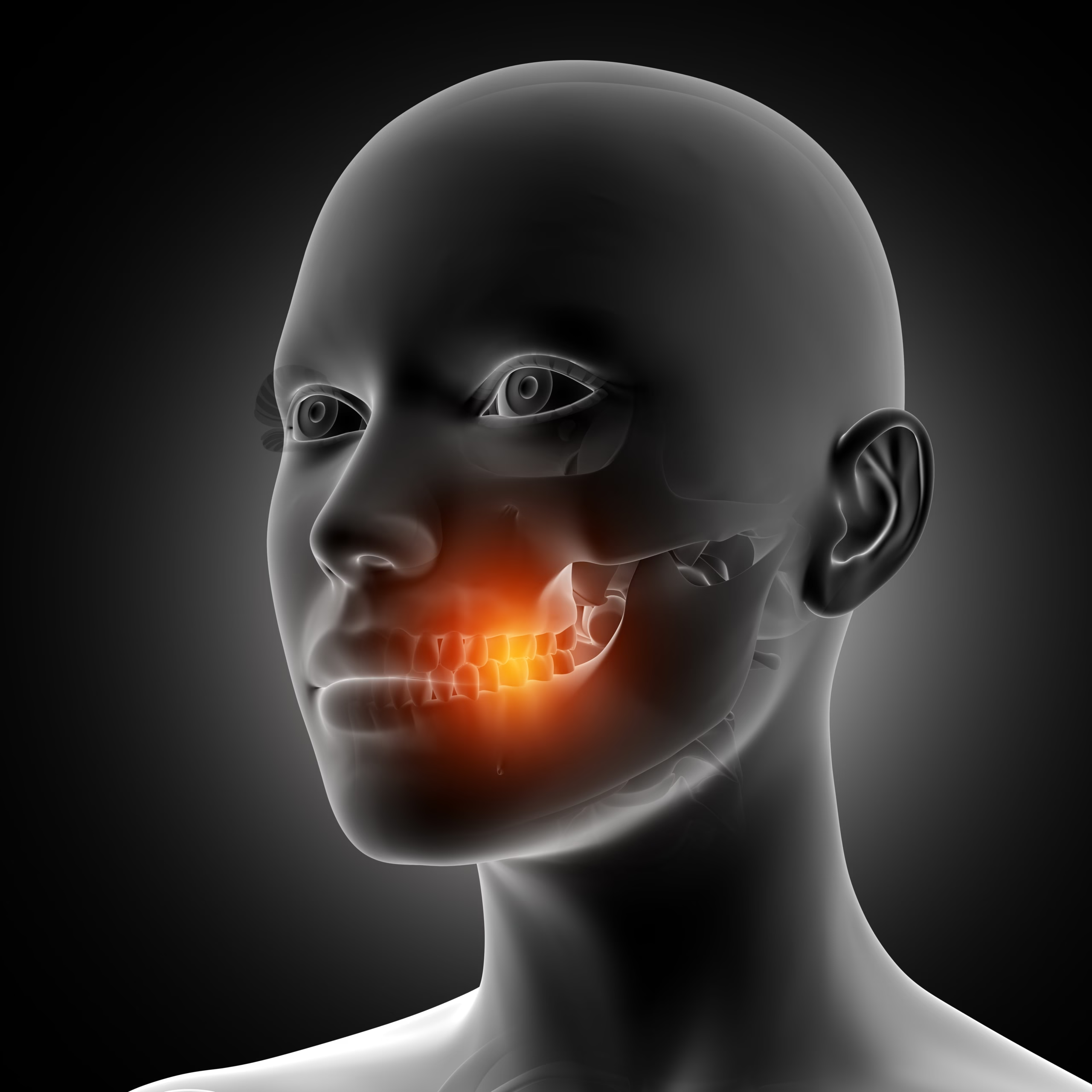
Jaw pain, headaches, clicking, and teeth grinding can all be signs of a temporomandibular joint (TMJ) disorder. At TriState Family Dental Centers, we provide personalized TMJ treatments to relieve discomfort, improve jaw function, and help you return to everyday comfort.
COMFORT STARTS WITH THE RIGHT DIAGNOSIS.
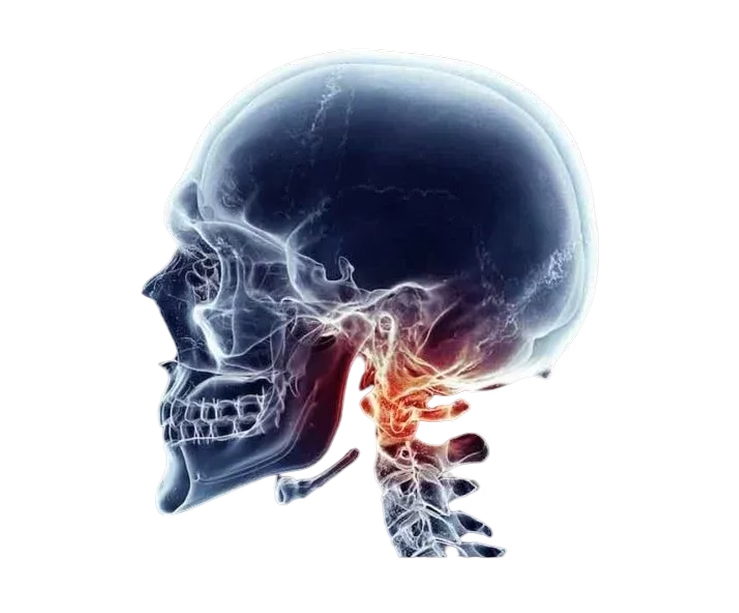
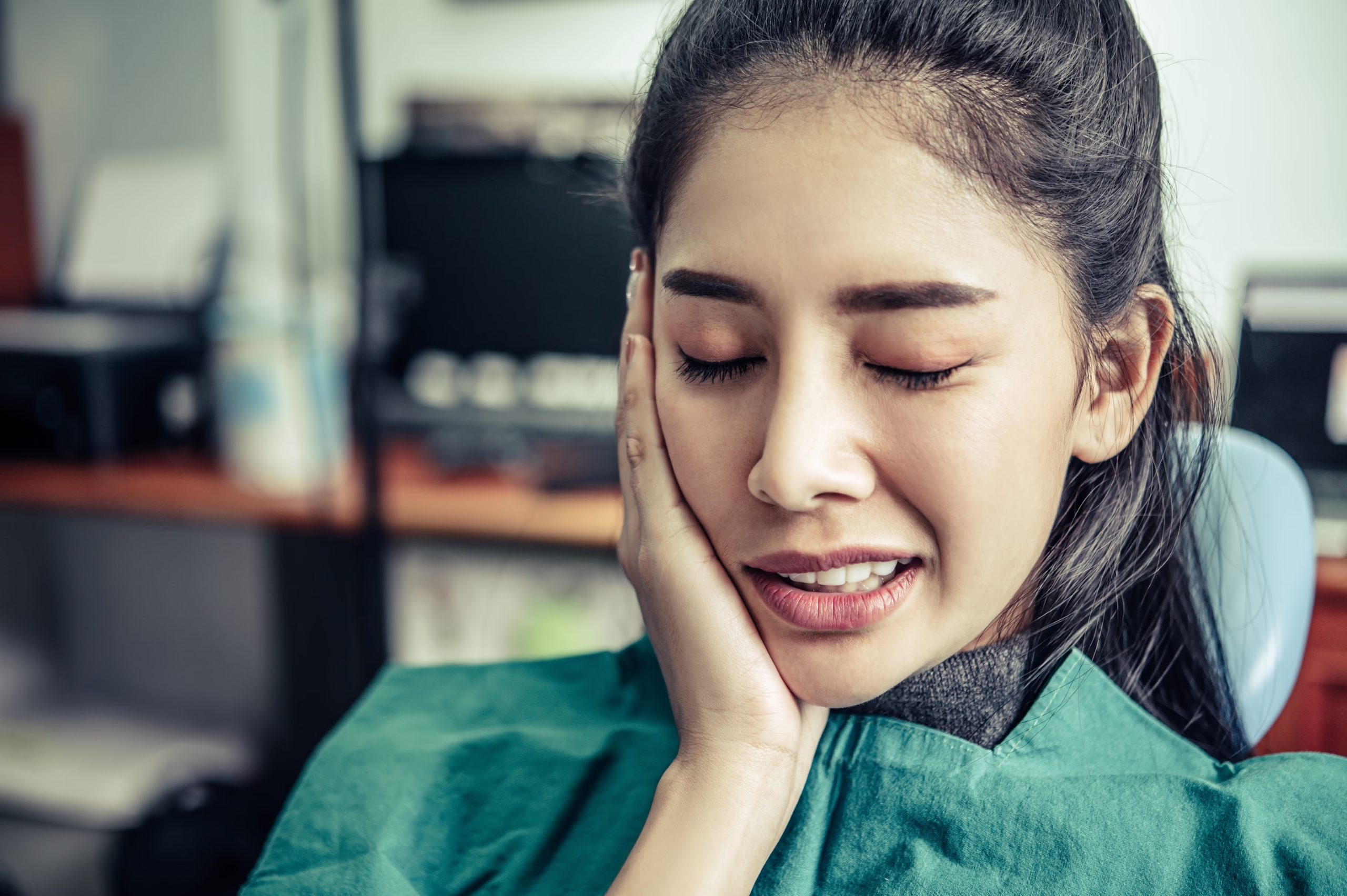
Your temporomandibular joints connect your jaw to your skull, allowing you to speak, chew, yawn, and smile comfortably. When these joints or the surrounding muscles become strained or misaligned, they can cause persistent pain, limited movement, headaches, and worn teeth.
At TriState Family Dental Centers, we take time to understand the source of your discomfort before recommending customized TMJ treatments designed to reduce pain, improve jaw function, and protect your long-term oral health.
Personalized treatment for every smile.
Beautiful enhancements that still look like you.
Refresh more than just your smile.
Explore More TMJ Treatments

EARLY TREATMENT CAN MAKE A DIFFERENCE.
Many patients ignore jaw discomfort until everyday activities like eating, speaking, or sleeping become difficult. Identifying TMJ disorders early allows us to recommend conservative treatments that may reduce symptoms before more significant problems develop.
NO TWO JAWS ARE EXACTLY THE SAME.
TMJ disorders can have many causes, including teeth grinding, jaw clenching, bite imbalance, muscle tension, injury, or arthritis. Because every patient is different, treatment begins with a thorough evaluation rather than a one-size-fits-all solution.
Our goal is to relieve discomfort while improving the long-term function of your jaw.

UNDERSTANDING THE SOURCE OF YOUR PAIN
YOUR COMFORT IS OUR PRIORITY.
Living with jaw pain can affect eating, sleeping, speaking, and your overall quality of life. Our team focuses on compassionate care, clear communication, and personalized treatment that helps you feel supported throughout every step of your care.

KNOW WHEN TO SEEK CARE
Persistent jaw discomfort isn’t something you have to simply live with.

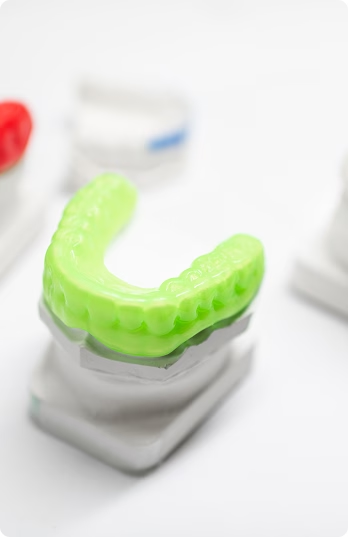
Custom night guards help protect teeth while reducing stress placed on the jaw during sleep.
Conservative treatments can help reduce tension caused by stress-related clenching and daytime grinding.
Protective oral appliances help safeguard the teeth and jaw during sports and physical activity.
Personalized treatment plans focus on reducing discomfort while supporting healthier jaw function over time.
Have questions about our services, locations, or what to expect at your first appointment?
We have answers
TMJ disorder, also called TMD, affects the temporomandibular joints that connect your jaw to your skull. These joints help you chew, speak, yawn, and smile. When they become irritated or don’t function properly, they can cause pain, stiffness, and difficulty moving your jaw.
Cosmetic dentistry focuses on improving the appearance of your smile through treatments like teeth whitening, veneers, and bonding. Restorative dentistry repairs damaged or missing teeth to restore function using treatments such as crowns, fillings, bridges, and dental implants. In many cases, treatments can improve both appearance and function.
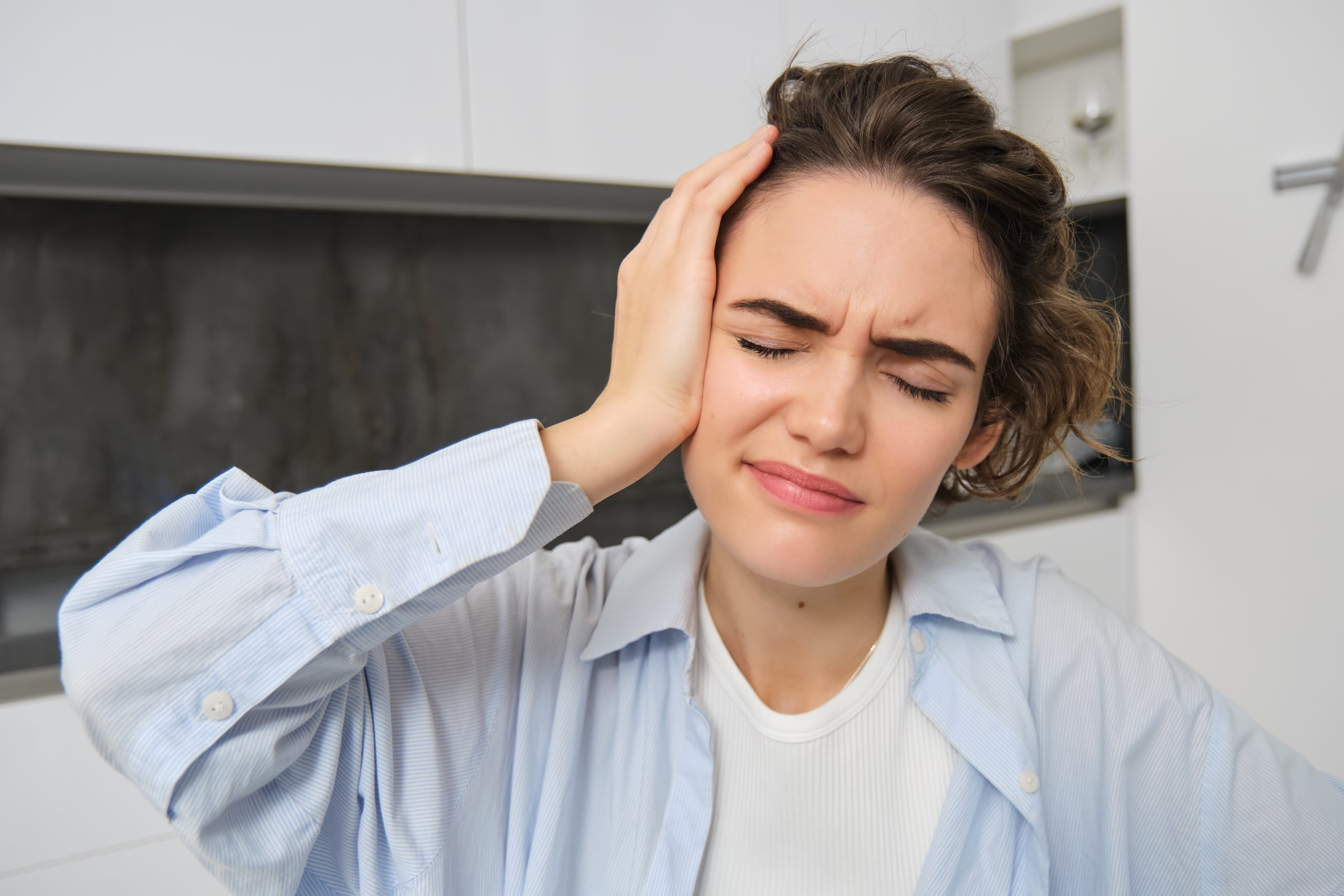
Common symptoms include jaw pain or tenderness, clicking or popping sounds, headaches, facial pain, difficulty chewing, jaw locking, ear pain, neck discomfort, and teeth grinding or clenching.
TMJ pain can result from teeth grinding, jaw clenching, bite misalignment, muscle tension, arthritis, jaw injuries, or excessive stress. In many cases, multiple factors contribute to TMJ disorders.
Some mild TMJ symptoms may improve with rest and avoiding activities that strain the jaw. However, persistent or worsening symptoms should be evaluated by a dentist to prevent ongoing discomfort and potential damage to the teeth or jaw joints.
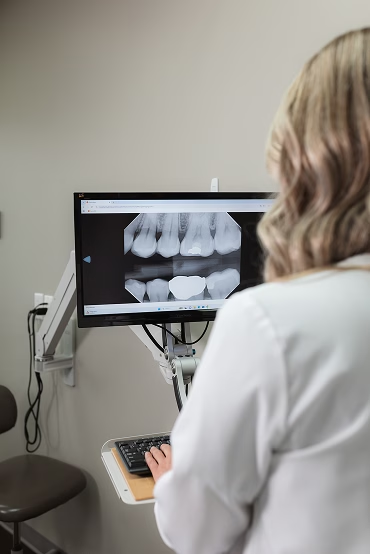
Your dentist will review your symptoms, examine your jaw joints, muscles, bite, and range of motion, and look for signs of tooth wear from grinding or clenching. Digital X-rays or other imaging may be recommended to better evaluate your jaw and surrounding structures.
Treatment depends on the cause and severity of your symptoms. Options may include custom night guards, Botox® therapy, bite adjustments, lifestyle recommendations, jaw exercises, and other conservative therapies designed to reduce pain and improve jaw function.
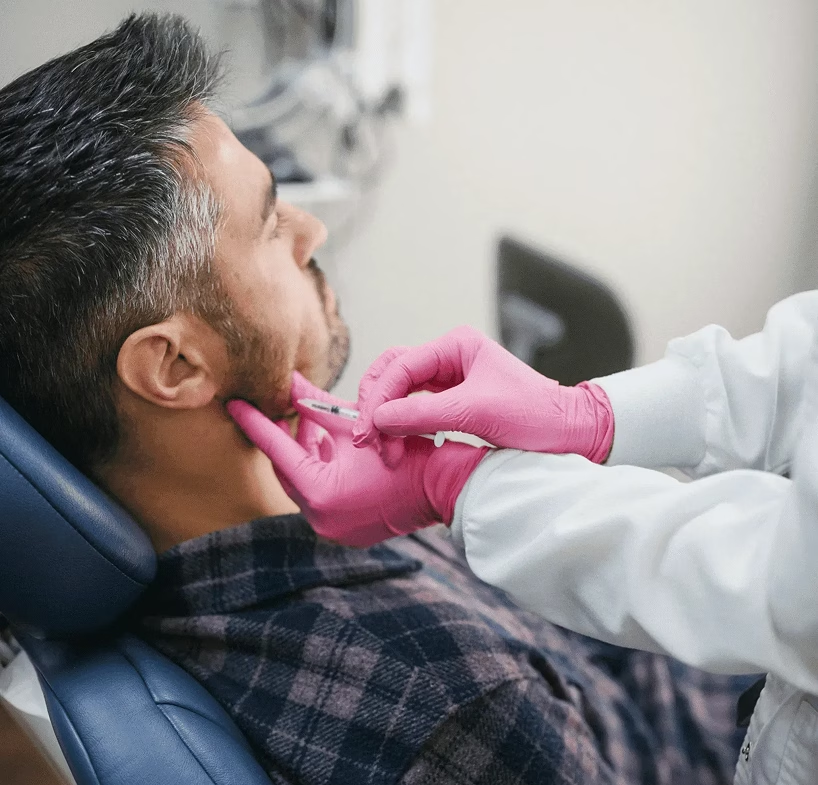
Yes. Botox can help relax overactive jaw muscles that contribute to clenching, grinding, and muscle-related TMJ pain. For many patients, it provides relief from tension, headaches, and jaw discomfort as part of a personalized treatment plan.
If teeth grinding or nighttime clenching is contributing to your symptoms, your dentist may recommend a custom night guard. These oral appliances help protect your teeth while reducing pressure on the jaw joints and surrounding muscles.
There’s no better time to invest in your smile — and your confidence. Whether you’re looking for a trusted family dentist in Evansville or ready for a complete smile transformation, TriState Family Dental Centers is here for you. Two locations. Four exceptional doctors. One team that truly cares.