EastNorth

Digital Dental X-RaysIn evansville, IN

See beyond the surface with digital dental X-rays. Advanced imaging helps us detect cavities, infections, bone loss, and other concerns early—allowing for more accurate diagnoses and personalized treatment.

request appointmentContact us

A Clearer View of Your Oral Health

ADVANCED IMAGING. BETTER DIAGNOSIS.

Not every dental concern is visible during a routine exam. Digital dental X-rays allow our team to see beneath the surface, helping detect cavities, infections, bone loss, impacted teeth, and other conditions before they become more serious.

At TriState Family Dental Centers, we use modern digital imaging technology to provide accurate diagnoses while minimizing radiation exposure. The result is more precise treatment planning and better long-term oral health.

Detects problems before they become more serious

Uses low-radiation digital technology

Supports accurate diagnosis and treatment planning
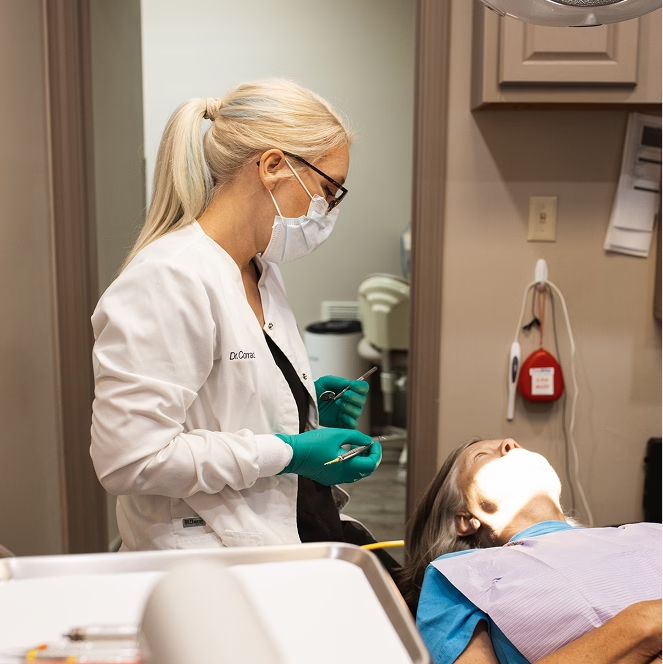
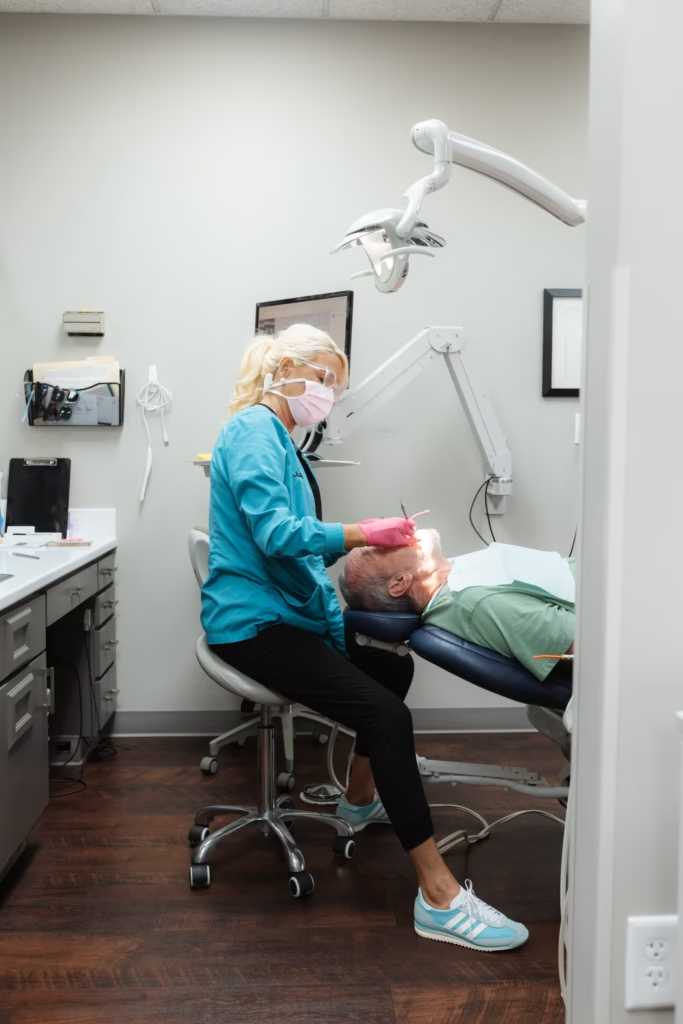
Masked female dentist in gloves examines tools beside a reclined patient in a dental chair, under bright clinical lighting with calm focus.

What to Expect DuringYour Dental X-Rays?

Dental Quick Preparation
We’ll position a small digital sensor comfortably inside your mouth while ensuring you remain relaxed throughout the process.

Digital Imaging
A series of digital X-rays are taken to capture detailed images of your teeth, roots, jawbone, and surrounding structures.

Instant Results
Your digital images appear immediately, allowing your dentist to evaluate your oral health during the same appointment.

Personalized Treatment Discussion
We’ll review your X-rays together, explain any findings, and recommend treatment if necessary.

more than Just Pictures

SEEING WHAT THE EYE CAN'T

Digital dental X-rays provide valuable information that isn’t visible during a visual exam alone. They help us diagnose problems early, monitor changes over time, and create personalized treatment plans that protect your oral health.
Early Cavity Detection

Identify cavities between teeth and beneath existing restorations before they become larger problems.

Bone Health Evaluation
Monitor bone levels and identify signs of periodontal disease or bone loss.

Infection Detection
Reveal infections or abscesses around tooth roots that may not be visible during a clinical exam.

Impacted Teeth
Evaluate wisdom teeth and other teeth that haven’t fully erupted.

Root & Tooth Assessment
Examine tooth roots, fractures, and internal structures with greater accuracy.

Treatment Planning
Support precise planning for crowns, implants, orthodontics, extractions, and other dental procedures.

Low-Radiation Technology
Modern digital X-rays use significantly less radiation than traditional film while producing highly detailed images.

Long-Term Oral Health Monitoring
Comparing digital images over time helps us detect changes early and monitor your oral health more effectively.

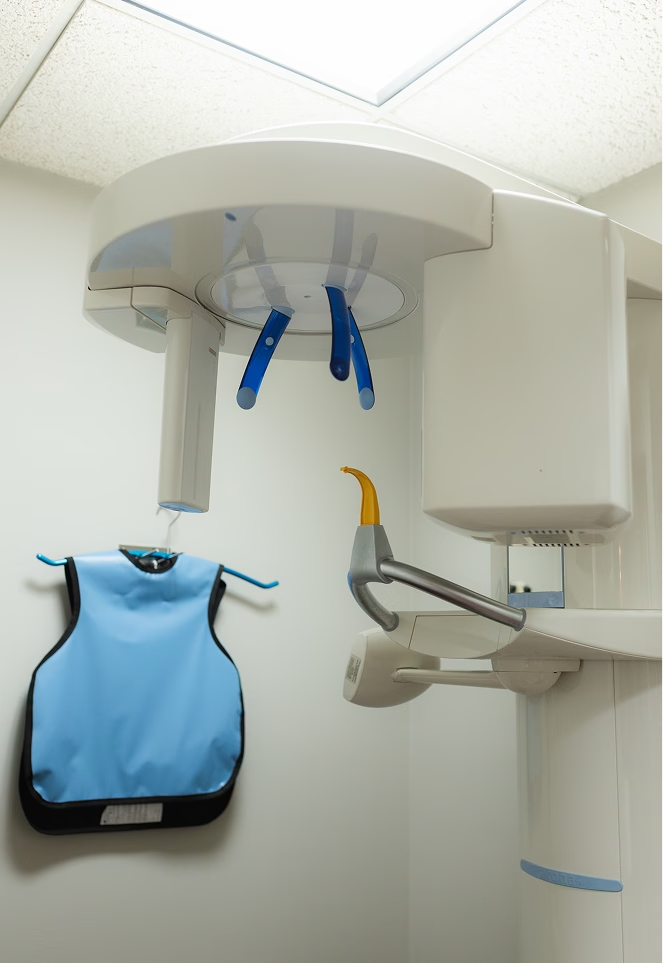
Dental panoramic X-ray machine with blue handles and bite guide above a dental chair arm; blue protective bib hangs on the clinic wall.

Why Digital Dental
X-Rays Matter

BETTER DIAGNOSIS STARTS WITH BETTER IMAGING.
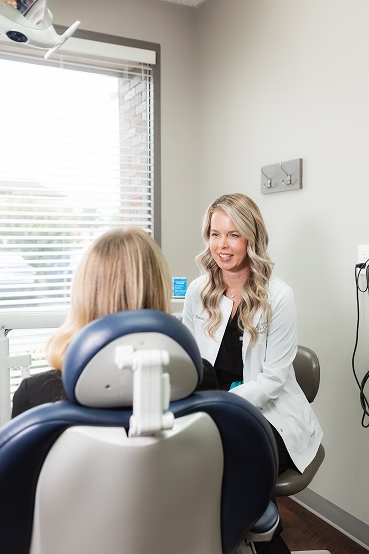
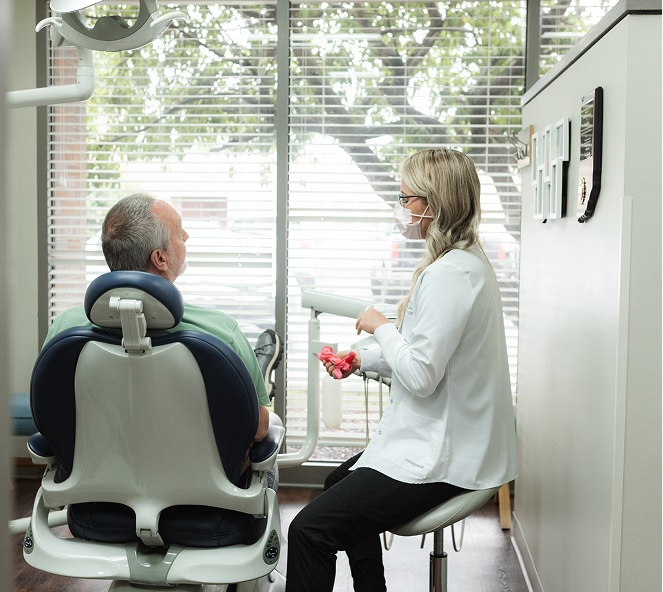
A blonde woman in a white coat talks with a seated patient in a medical office, with a window, blinds, and exam equipment in the background.

Early

DETECTION

Digital

IMAGING

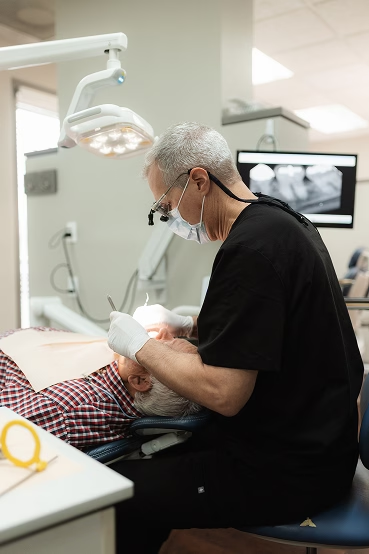
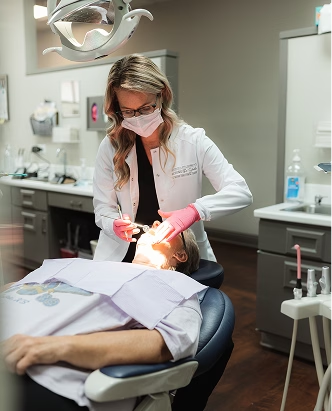
A dentist in black scrubs treats an older man reclining in a dental chair, with an exam light and monitor in the background.

Low-Radiation

TECHNOLOGY

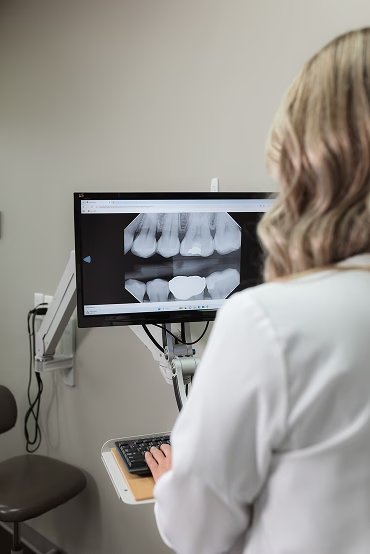
A person in a white coat looks at a computer monitor displaying dental X-rays, with a medical device beside the screen.

Precise

DIAGNOSIS

A doctor in a white coat examines a blonde woman holding a blue hand mirror in a medical office.

Treatment

PLANNING

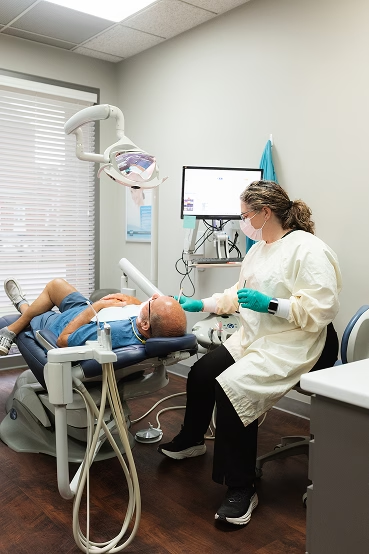
A dental professional in protective gear works on a seated patient in a treatment chair, with a monitor and equipment behind them.

Healthier

SMILES

Digital X-rays allow us to identify concerns before they become painful or more costly to treat. Combined with routine dental exams, they help keep your smile healthy for years to come.

request appointment
A blonde woman in a white coat talks with a seated patient in a medical office, with a window, blinds, and exam equipment in the background.

Early

DETECTION

Digital

IMAGING

A dentist in black scrubs treats an older man reclining in a dental chair, with an exam light and monitor in the background.

Low-Radiation

TECHNOLOGY

A person in a white coat looks at a computer monitor displaying dental X-rays, with a medical device beside the screen.

Precise

DIAGNOSIS

A doctor in a white coat examines a blonde woman holding a blue hand mirror in a medical office.

Treatment

PLANNING

A dental professional in protective gear works on a seated patient in a treatment chair, with a monitor and equipment behind them.

Healthier

SMILES

Dentist consults with an older male patient in a dental chair, beneath an exam light, in a bright, modern clinic; professional, calm setting.

When Are Dental X-Rays Recommended?

Digital dental X-rays may be recommended if you:

  • Are a new patient
  • Have tooth pain or sensitivity
  • May have cavities between teeth
  • Need to evaluate wisdom teeth
  • Have swollen gums or signs of infection
  • Are planning restorative or cosmetic treatment
  • Need to monitor bone health or periodontal disease
  • Are due for routine preventive imaging

Four people sitting in a row, smiling confidently against a black background. They are dressed in business and casual attire, conveying professionalism.

Digital X-Rays or
Traditional X-Rays?

Digital Dental X-Rays

Digital X-rays produce high-quality images almost instantly while using significantly less radiation than traditional film. They allow for faster diagnoses, easier image sharing, and improved treatment planning.

Traditional Film X-Rays

Traditional X-rays require film processing and generally involve higher radiation exposure compared to modern digital imaging technology.

Frequently Asked questions

Have questions about our services, locations, or what to expect at your first appointment?
We have answers

Yes. Digital dental X-rays use significantly less radiation than traditional film X-rays and are considered a safe, routine part of modern dental care.

The frequency depends on your oral health, age, risk factors, and dental history. Your dentist will recommend imaging only when it’s clinically appropriate.

Many dental problems—including cavities, infections, bone loss, and impacted teeth—can develop without noticeable symptoms. X-rays help identify these concerns early.

Most digital dental X-rays take only a few minutes and are completed during your regular dental visit.

Yes. Digital X-rays are commonly used for children when clinically necessary to monitor growth, development, and oral health.

Many dental insurance plans cover routine diagnostic X-rays as part of preventive dental care, although coverage varies by provider.

related services

Explore More general dentistry services
Dental Exams

Dental Cleanings

A dentist in a blue scrub top treats a patient reclined in a dental chair, with overhead exam lights and cabinets in the clinic.

Children's dentistry

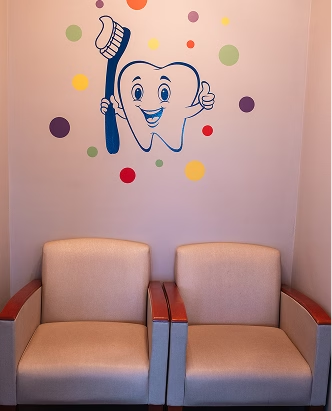
Two beige armchairs sit beneath a cartoon tooth mural with colorful dots on a light wall.

Oral Cancer Screening

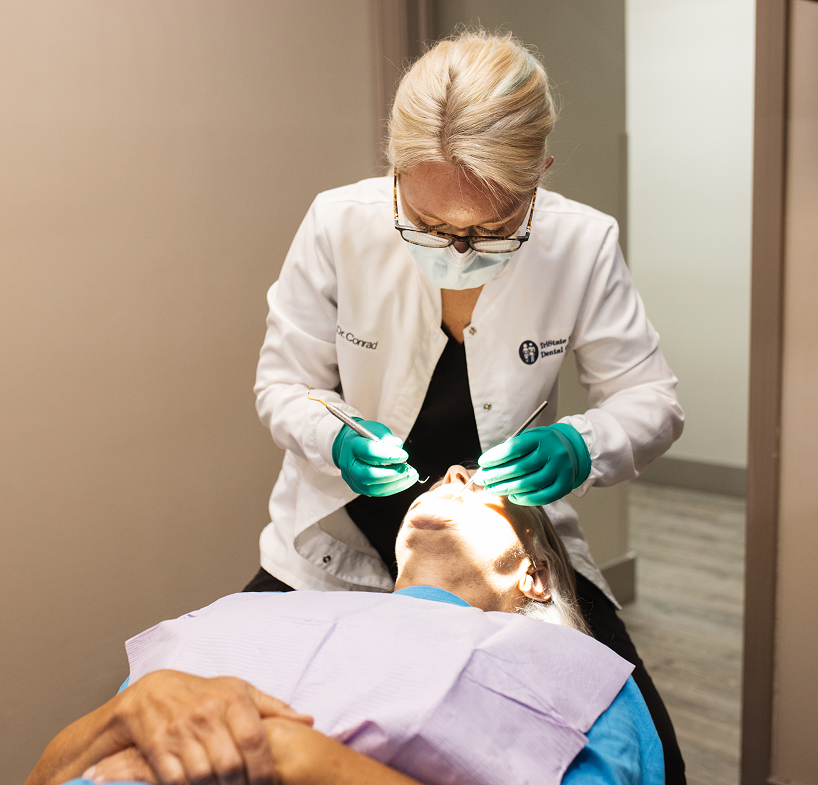
A masked dentist in a white coat and green gloves examines a patient lying back in a dental chair with a purple bib.

dental Sealants

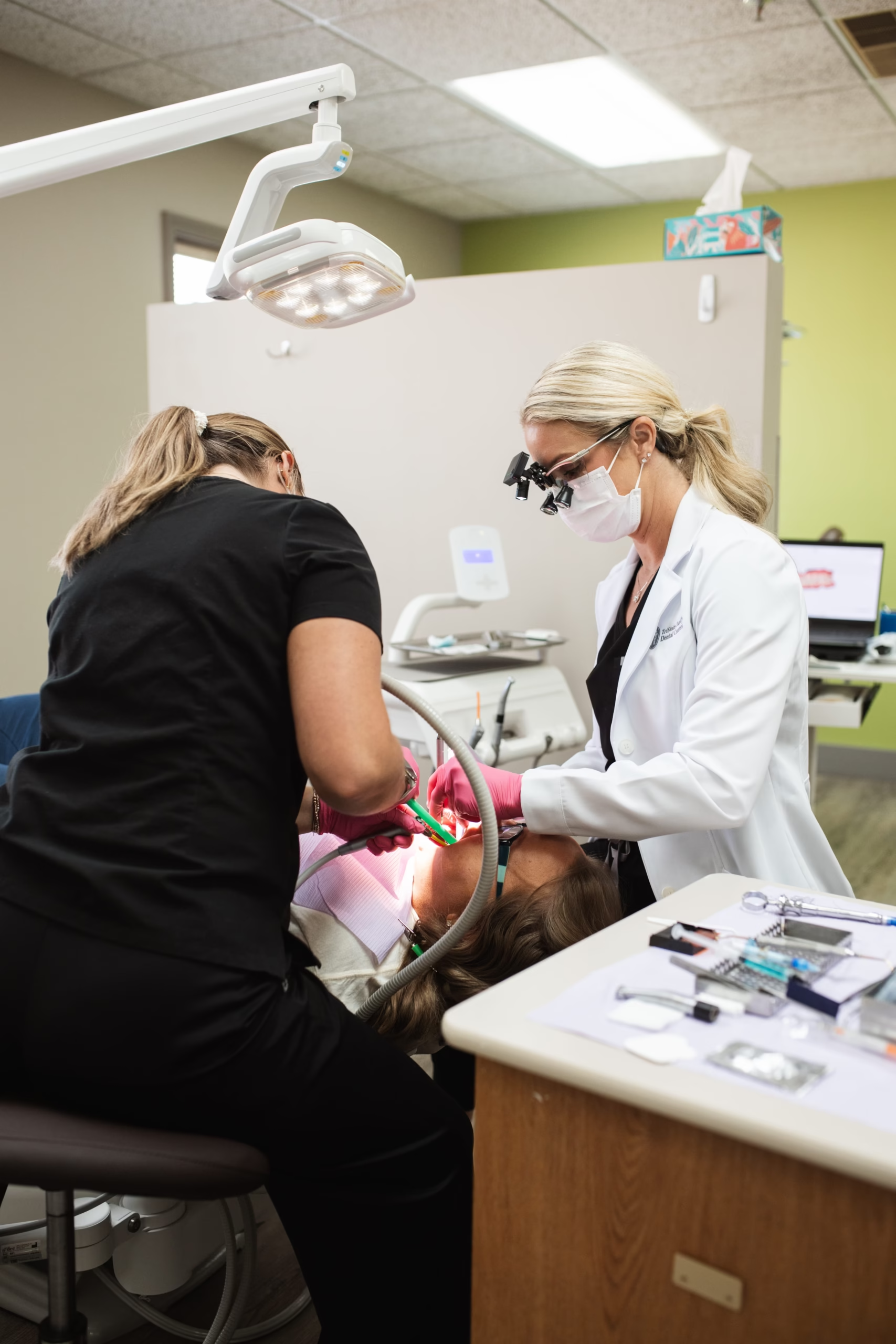
Dentist in a white coat and mask treats a reclined patient under a dental lamp, assisted by a colleague in a bright, modern clinic.

Fluoride Treatments

Dentist in a white coat and mask treats a reclined patient under a dental lamp, assisted by a colleague in a bright, modern clinic.

dental X-Rays

A person in a white coat looks at a computer monitor displaying dental X-rays, with a medical device beside the screen.

Occlusal & sports guards

east Location

960 S Hebron Ave Evansville, IN 47714

HOURS:

Monday: Closed
Tues – Wed: 8:00 – 4:30
Thur: 7:00 – 4:30
Fri: 8-4:30

812-473-1900

North Location

800 First Ave Evansville, IN 47710

HOURS:

Mon – Thurs 8:00-4:30
Friday – Closed

812-425-4206