Medical History Review
We’ll discuss any symptoms, lifestyle factors, or concerns that may affect your oral health.

Early detection saves lives. Our oral cancer screenings are quick, comfortable, and performed as part of your preventive dental care to help identify unusual changes before they become serious.
EARLY DETECTION. GREATER PEACE OF MIND.
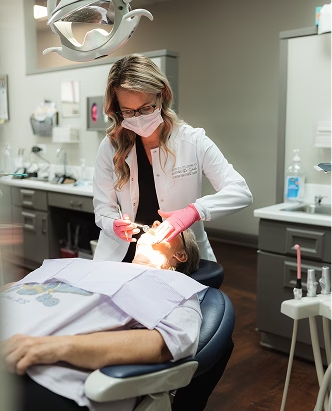
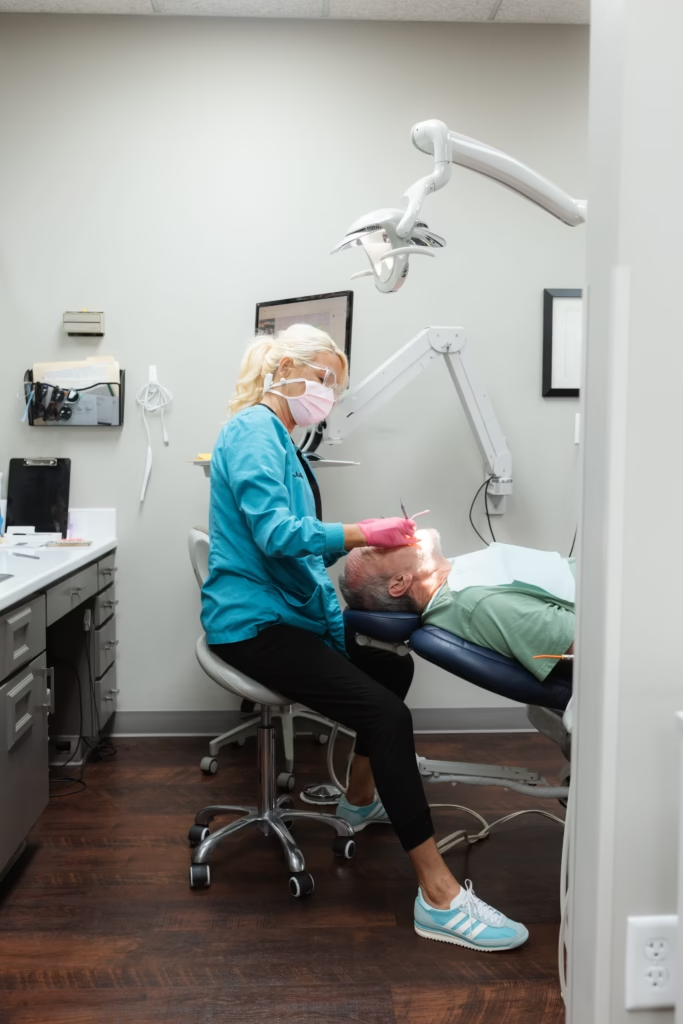
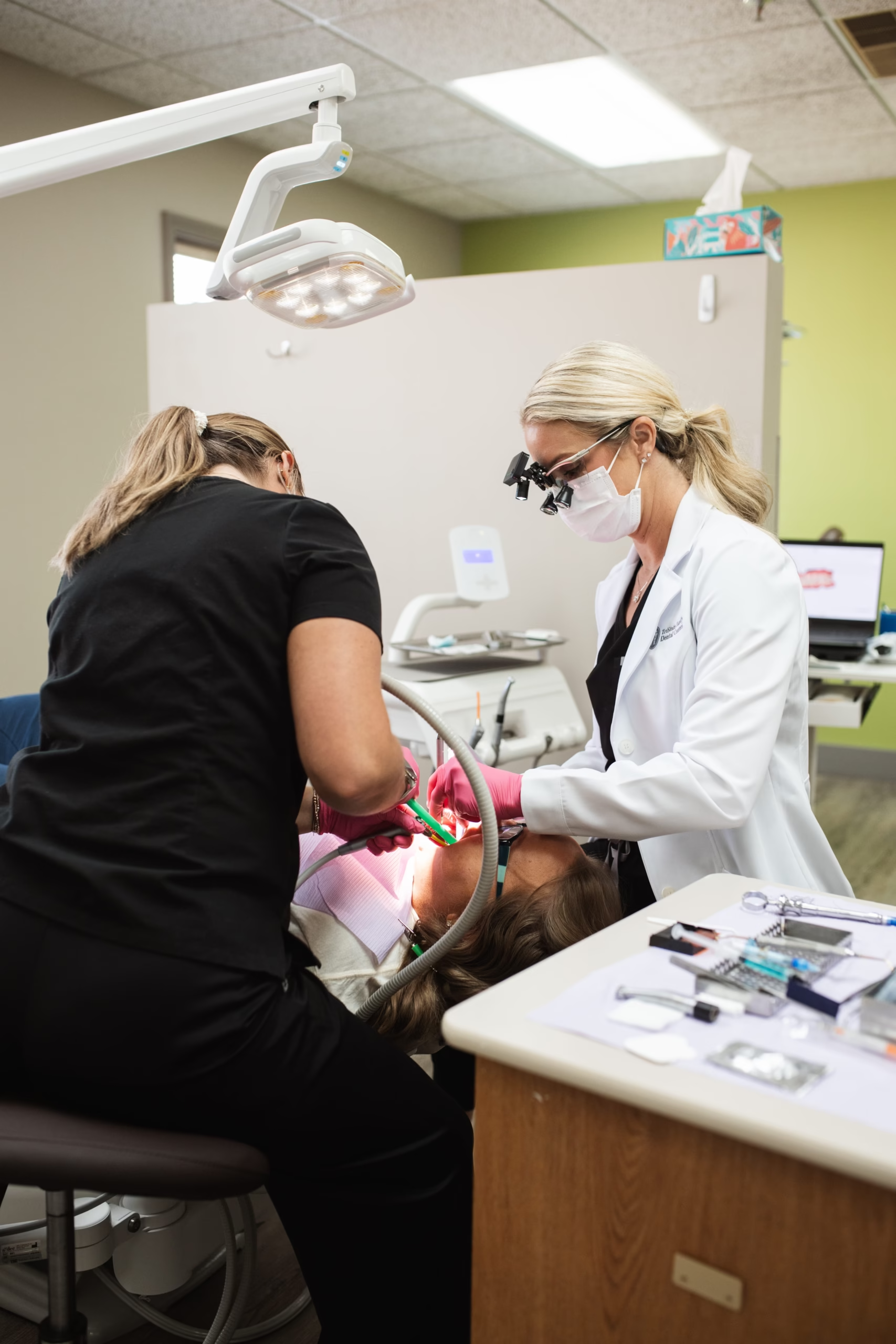
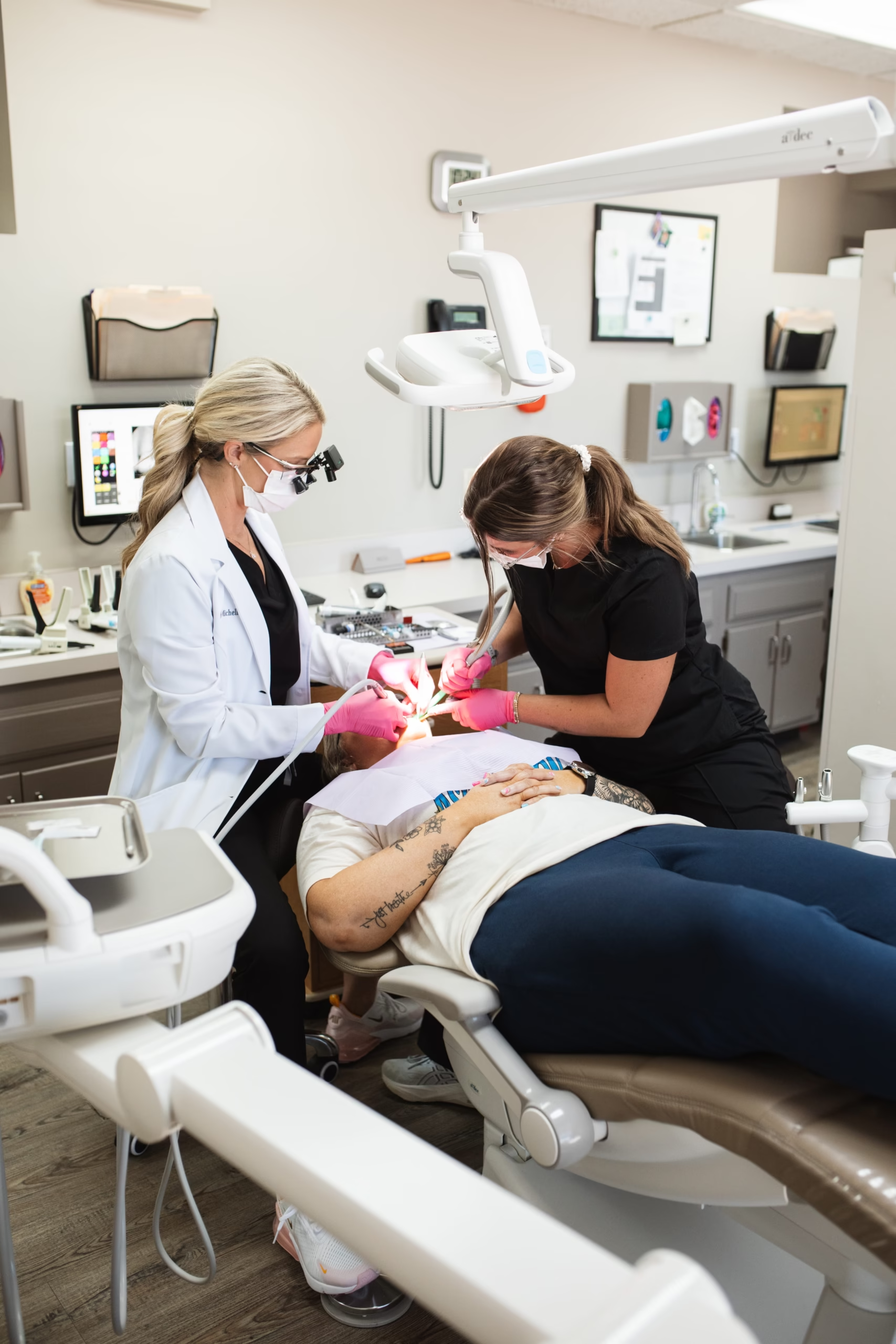
Oral cancer screenings are an important part of maintaining your overall health. During your routine dental visit, our team carefully examines your lips, tongue, cheeks, gums, throat, and other oral tissues for signs of abnormal changes that may require further evaluation.
Most screenings take only a few minutes but can play a vital role in identifying oral cancer in its earliest and most treatable stages. Regular screenings give you confidence that your oral health is being monitored with care.

PROTECTING YOUR HEALTH THROUGH EARLY DETECTION
Oral cancer screenings are about more than checking for disease. They provide an opportunity to identify changes early, monitor your oral tissues over time, and support your overall health through preventive care.
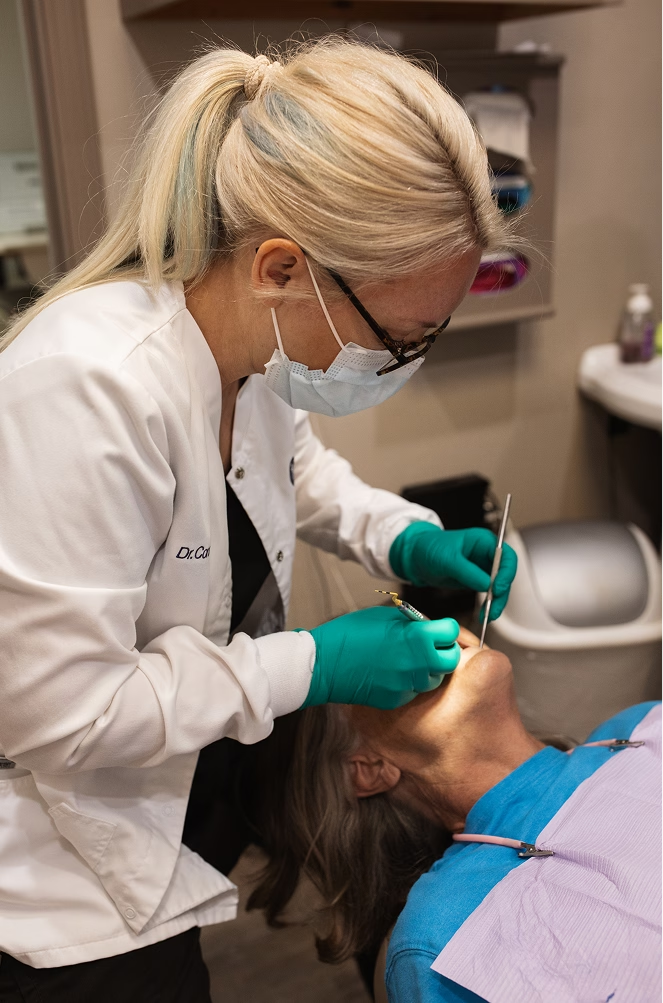
A FEW MINUTES CAN MAKE A LIFETIME OF DIFFERENCE.
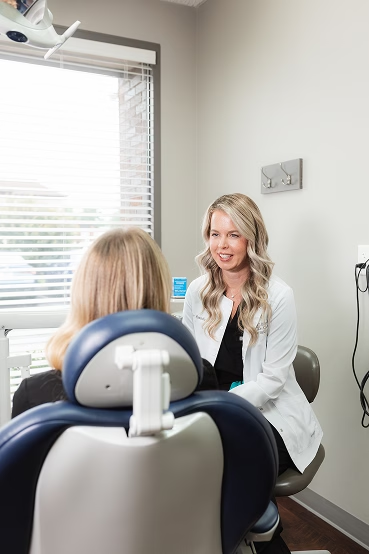
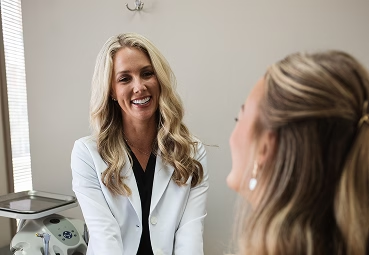
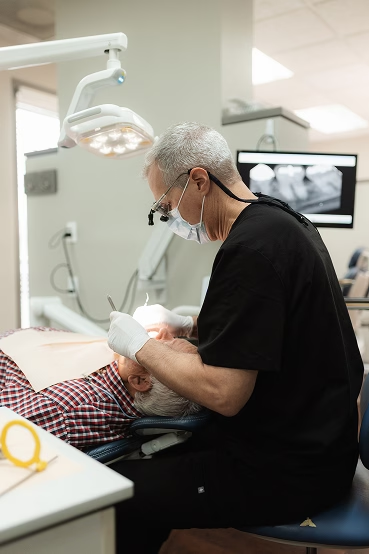
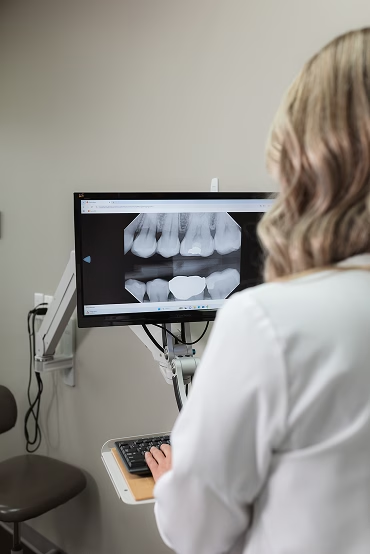
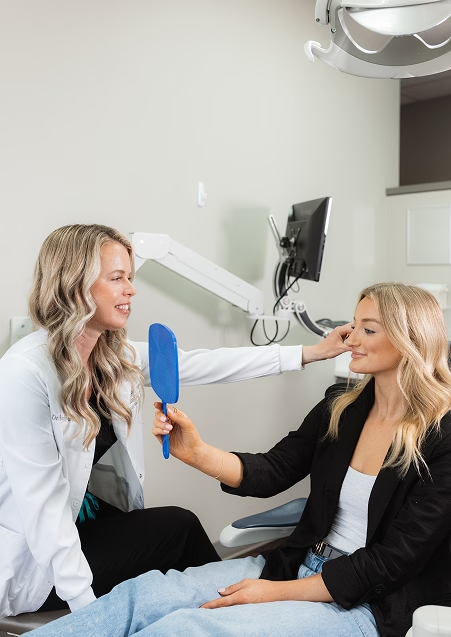
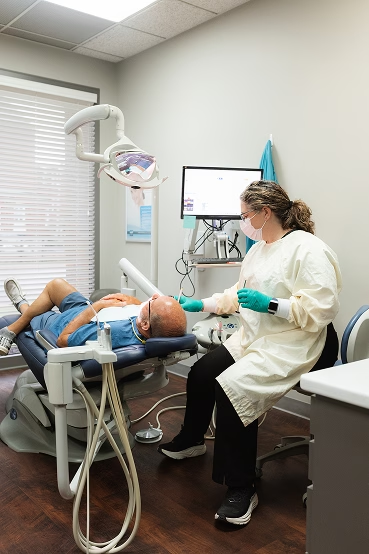
Oral cancer is often easier to treat when detected early. Including routine screenings as part of your preventive dental care helps identify abnormalities before symptoms become more advanced.

We recommend routine oral cancer screenings for all adults, especially if you:

A preventive examination that looks for abnormal tissue changes before symptoms become severe. Screenings help identify concerns early and determine if further evaluation is needed.
If suspicious tissue is found, additional testing or referral to a specialist may be recommended to confirm a diagnosis and determine appropriate treatment.
Have questions about our services, locations, or what to expect at your first appointment?
We have answers
An oral cancer screening is a preventive examination in which your dentist checks your mouth, tongue, lips, throat, and surrounding tissues for signs of abnormal changes.
Most screenings take only a few minutes and are completed during your routine dental exam.
No. The screening is quick, gentle, and completely painless.
Most patients should receive an oral cancer screening during their routine dental exams, typically every six months.
Warning signs may include persistent sores, lumps, red or white patches, unexplained bleeding, numbness, difficulty swallowing, or changes that don’t heal within two weeks.
Finding an abnormal area doesn’t necessarily mean cancer is present. If needed, we’ll recommend additional evaluation or referral to a specialist for further testing.
Explore More general dentistry services