EastNorth

Inlays & Onlays inevansville, IN

Repair damaged or decayed teeth with custom dental inlays and onlays at TriState Family Dental Centers. These conservative restorations rebuild strength and function while preserving more of your natural tooth.

The Right Repair for a Damaged Tooth

MORE THAN A FILLING. LESS THAN A CROWN.

Sometimes a tooth has too much damage for a traditional filling but doesn’t require the full coverage of a dental crown. Inlays and onlays provide a conservative solution for restoring these teeth.

At TriState Family Dental Centers, each restoration is customized to rebuild the damaged portion of your tooth while preserving as much healthy tooth structure as possible.

Repairs moderate decay or damage

Preserves healthy tooth structure

Restores strength and comfortable function

White-coated clinician points to a blister pack of pills, conveying a calm, professional medication consultation in a clinical setting.

What to Expect With an Inlay or Onlay

Examine the Tooth

Your dentist evaluates the extent of decay or damage to determine whether an inlay or onlay is appropriate.

Prepare the Tooth

The damaged portion is carefully removed while preserving healthy tooth structure.

Create Your Restoration

Detailed impressions or digital records are used to create a custom restoration designed to fit your tooth precisely.

Restore Your Smile

Your inlay or onlay is securely bonded into place and your bite is checked for comfortable function.

more than Just Repairing Tooth Damage

PRESERVE MORE. RESTORE STRENGTH.

Inlays and onlays provide targeted restoration for teeth that need more support than a filling without requiring a full dental crown.
Repair Moderate Decay

Restore areas where decay is too extensive for a traditional filling.

Preserve Healthy Enamel

Only the damaged portion of the tooth is treated, helping retain more natural structure.

Strengthen Damaged Teeth

Custom restorations reinforce weakened areas and restore everyday function.

Restore Chewing Function

Rebuild the biting surface of a tooth for more comfortable chewing.

Natural-Looking Results

Custom restorations are designed to blend with the appearance of your natural smile.

Precise Custom Fit

Each inlay or onlay is created specifically for the shape and structure of your tooth.

Protect Against Further Damage

Restoring weakened areas can help reduce the risk of additional breakdown.

Support Long-Term Oral Health

Conservative treatment helps preserve your natural tooth for years to come.

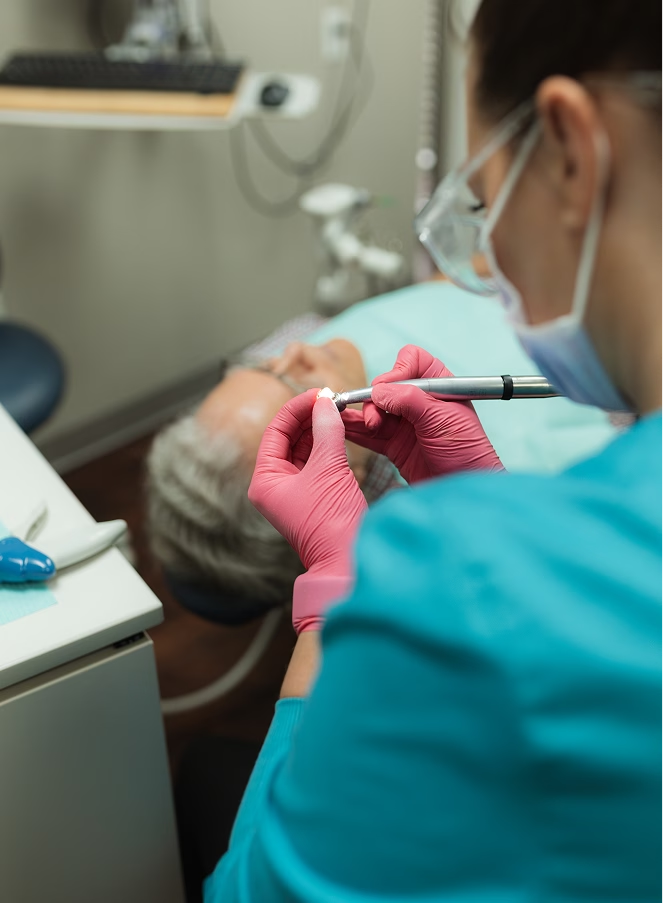
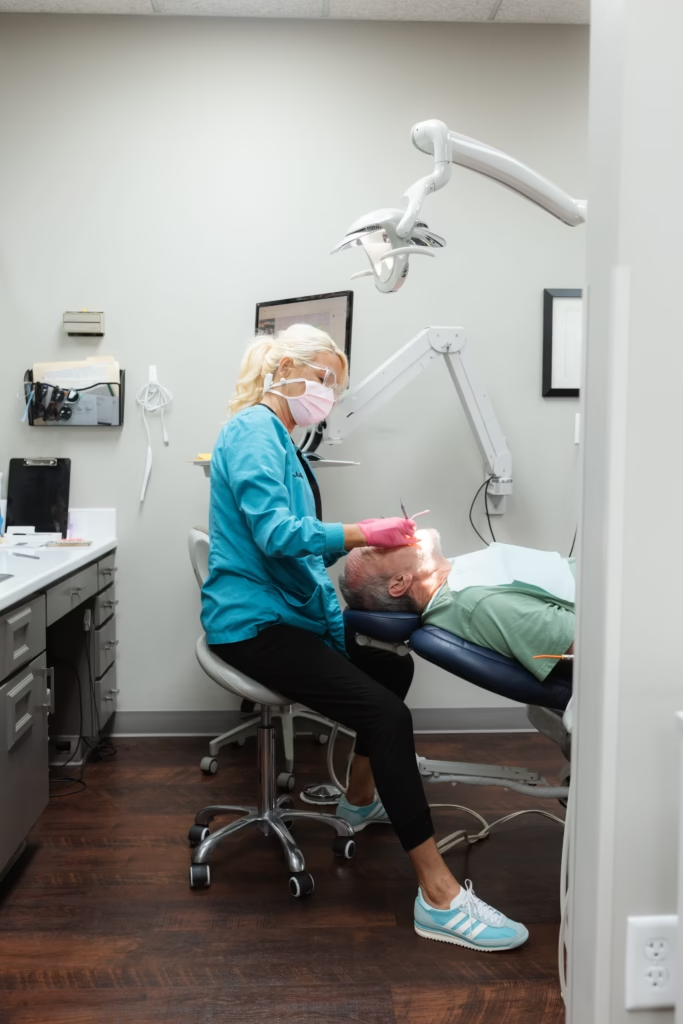
Dentist in mask and pink gloves uses a dental tool to examine an elderly patient’s tooth during a focused clinic procedure.

When a Filling
Isn't Enough

TARGETED REPAIR FOR A STRONGER SMILE.
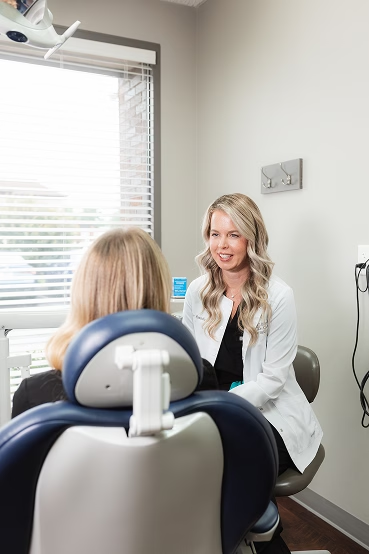
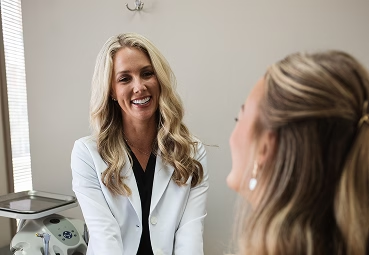
A blonde woman in a white coat talks with a seated patient in a medical office, with a window, blinds, and exam equipment in the background.

Moderate

DECAY

Cracked

TEETH

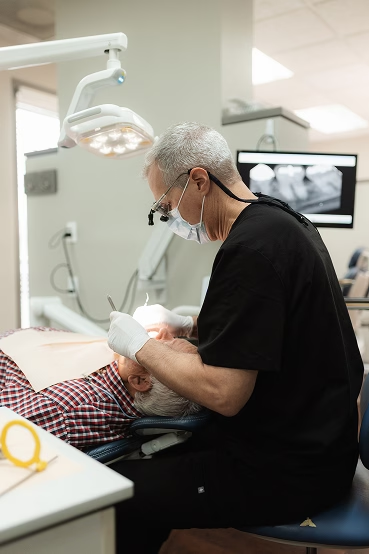
A dentist in black scrubs treats an older man reclining in a dental chair, with an exam light and monitor in the background.

Large

FILLINGS

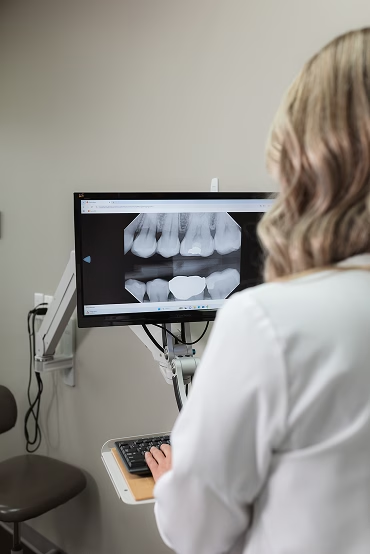
A person in a white coat looks at a computer monitor displaying dental X-rays, with a medical device beside the screen.

Worn

TEETH

A doctor in a white coat examines a blonde woman holding a blue hand mirror in a medical office.

Damaged

CUSPS

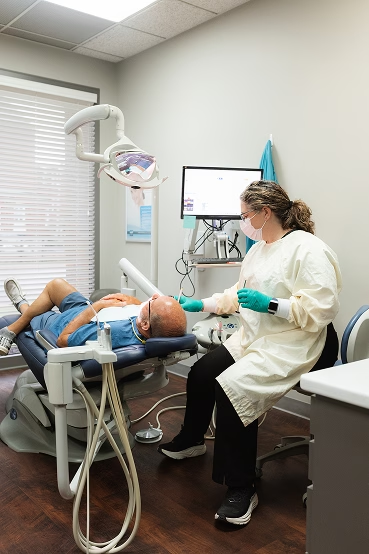
A dental professional in protective gear works on a seated patient in a treatment chair, with a monitor and equipment behind them.

Weakened

TEETH

A large filling may not provide enough support for a moderately damaged tooth, while a full crown may remove more healthy structure than necessary. Inlays and onlays offer a middle-ground solution designed to restore only the areas that need treatment.
request appointment
A blonde woman in a white coat talks with a seated patient in a medical office, with a window, blinds, and exam equipment in the background.

Moderate

DECAY

Cracked

TEETH

A dentist in black scrubs treats an older man reclining in a dental chair, with an exam light and monitor in the background.

Large

FILLINGS

A person in a white coat looks at a computer monitor displaying dental X-rays, with a medical device beside the screen.

Worn

TEETH

A doctor in a white coat examines a blonde woman holding a blue hand mirror in a medical office.

Damaged

CUSPS

A dental professional in protective gear works on a seated patient in a treatment chair, with a monitor and equipment behind them.

Weakened

TEETH

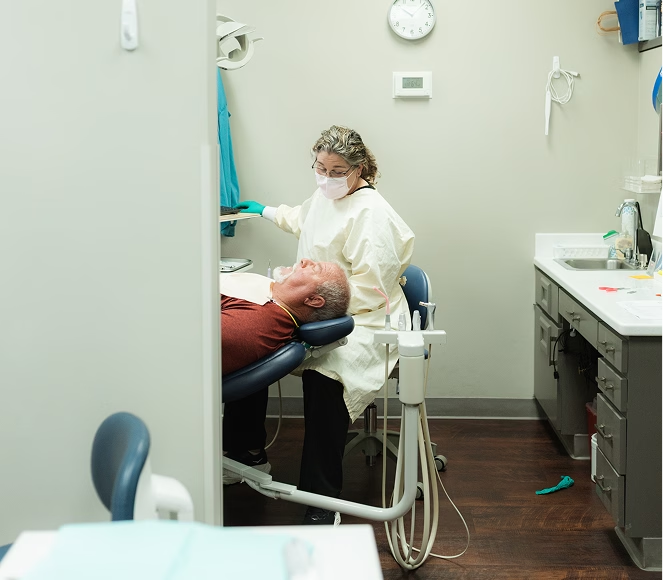
Masked dental hygienist treats a reclined patient in a clean clinic, with dental equipment, cabinets, clock, and bright overhead lights.

Signs You May Need an Inlay or Onlay

An inlay or onlay may be recommended if you:

  • Have moderate tooth decay
  • Have a damaged or fractured tooth
  • Have an old or failing large filling
  • Experience discomfort when chewing
  • Have damage to one or more tooth cusps
  • Need more support than a filling can provide
  • Have enough healthy tooth structure to avoid a full crown
Four people sitting in a row, smiling confidently against a black background. They are dressed in business and casual attire, conveying professionalism.

Inlay, Onlay,
or Crown?

Dental Inlay

An inlay restores damage within the grooves of a tooth without covering its outer cusps.

Dental Onlay

An onlay restores a larger area and may extend over one or more of the tooth’s cusps.

Dental Crown

A crown covers most or all of the visible tooth and is generally used when more extensive damage or weakness requires greater protection.
Frequently Asked questions

Have questions about our services, locations, or what to expect at your first appointment?
We have answers

Inlays and onlays are custom restorations used to repair teeth with moderate decay or damage when a filling may not provide enough support but a full crown isn’t necessary.

An inlay fits within the grooves of the tooth, while an onlay covers a larger portion of the tooth and may extend over one or more cusps.

An inlay or onlay may be recommended when the damaged area is too large for a traditional filling but enough healthy tooth remains that a crown isn’t required.

Yes. Tooth-colored restorations can be customized to blend with the shade and shape of your natural teeth.

The treatment area is typically numbed to help keep you comfortable. Mild temporary sensitivity may occur after treatment.

Their lifespan depends on the material, location, bite forces, oral hygiene, and everyday habits. With proper care, they can provide durable restoration for many years.

In some cases, yes. Whether an inlay, onlay, or crown is appropriate depends on the location and extent of the crack.

Brush twice daily, floss regularly, avoid habits that can damage your teeth, and maintain routine dental exams and professional cleanings.

related services

Explore More restorative dentistry services
Dental Fillings

A dentist in a blue scrub top treats a patient reclined in a dental chair, with overhead exam lights and cabinets in the clinic.

Root Canals

A person in a white coat looks at a computer monitor displaying dental X-rays, with a medical device beside the screen.

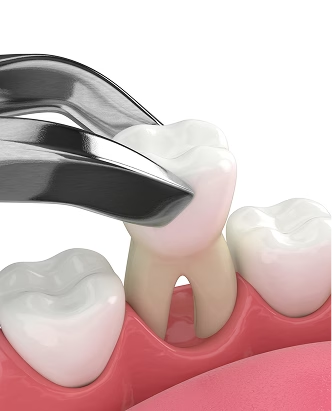
Tooth Extractions

Dental illustration showing forceps gripping a damaged tooth above the gums, with neighboring teeth and pink gum tissue visible; clinical tone.

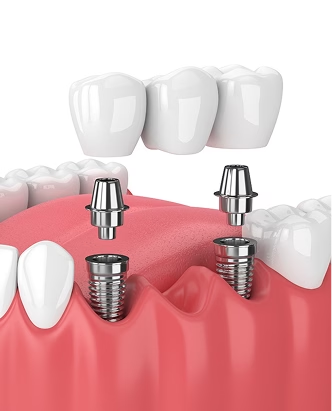
Crowns & Bridges

Illustration of a pink gumline with missing teeth, two metal dental implants and abutments, and white replacement crowns above; clinical tone.

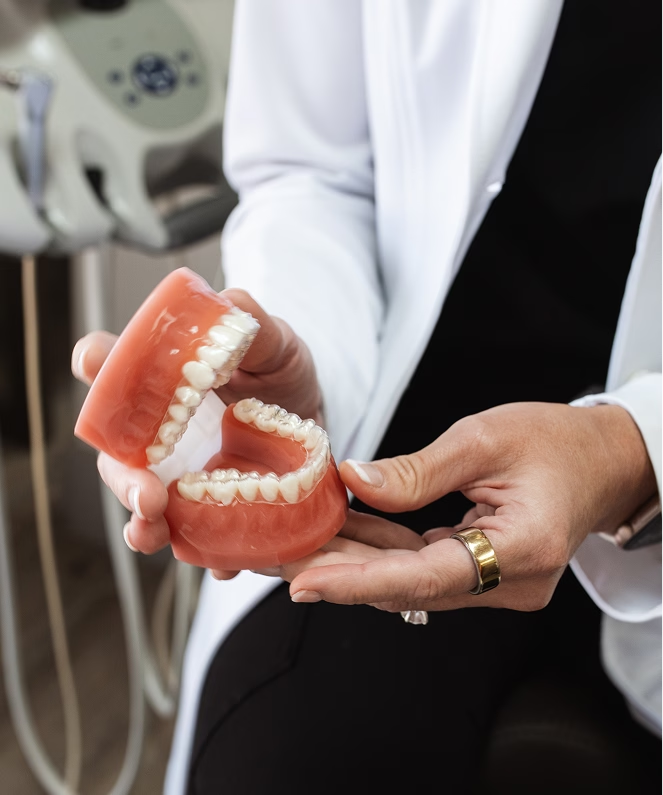
Dentures

Dentist in a white coat holds oversized dental models showing upper and lower teeth in a clinic, creating an educational, professional scene.

east Location

960 S Hebron Ave Evansville, IN 47714

HOURS:

Monday: Closed
Tues – Wed: 8:00 – 4:30
Thur: 7:00 – 4:30
Fri: 8-4:30

812-473-1900

North Location

800 First Ave Evansville, IN 47710

HOURS:

Mon – Thurs 8:00-4:30
Friday – Closed

812-425-4206