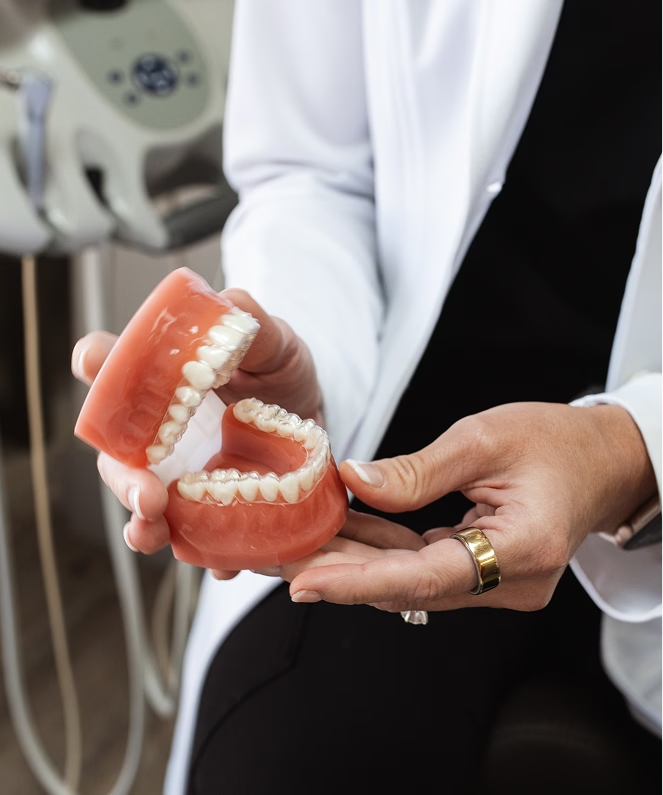
Comprehensive Evaluation
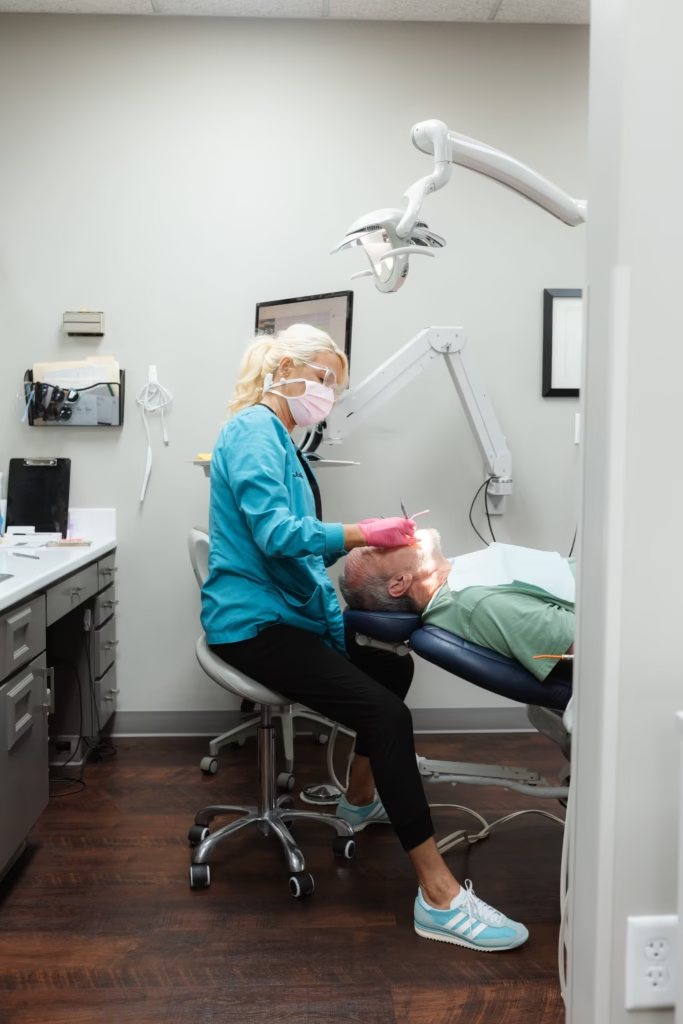
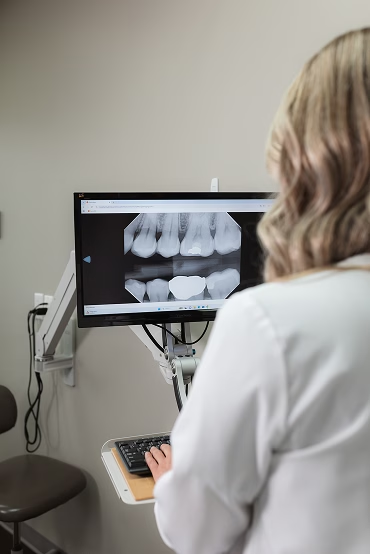
Your dentist examines the tooth and may take digital X-rays to understand its condition and surrounding structures.

When a tooth cannot be predictably saved, a tooth extraction can relieve discomfort, remove infection, and protect the health of your surrounding teeth. TriState Family Dental Centers provides careful, comfort-focused tooth extractions with personalized care from start to finish.
GENTLE CARE. HEALTHIER SMILES.
Our first priority is always to preserve your natural teeth whenever possible. However, severe decay, infection, fractures, or other dental problems can sometimes make removing a tooth the healthiest option.
At TriState Family Dental Centers, we’ll carefully evaluate your tooth, explain why an extraction may be recommended, and help you understand your options before moving forward.
PROTECTING THE REST OF YOUR SMILE.
A tooth extraction may be recommended when keeping a damaged or infected tooth could compromise your comfort or oral health.

SOMETIMES REMOVAL IS THE HEALTHIEST OPTION.

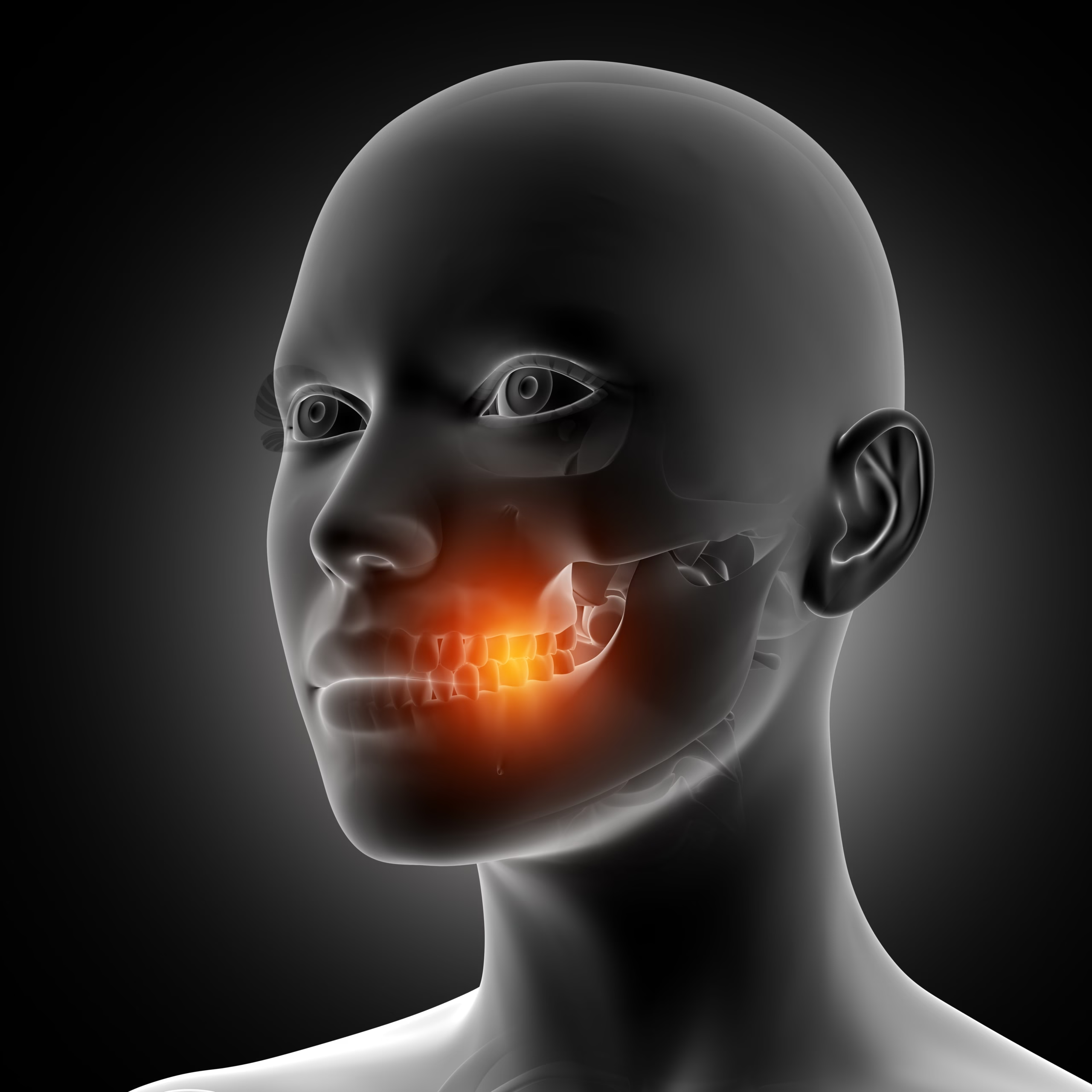
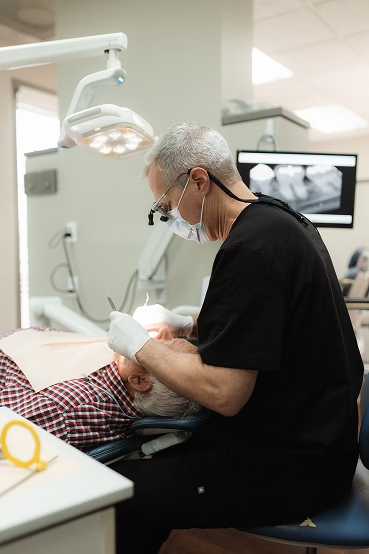

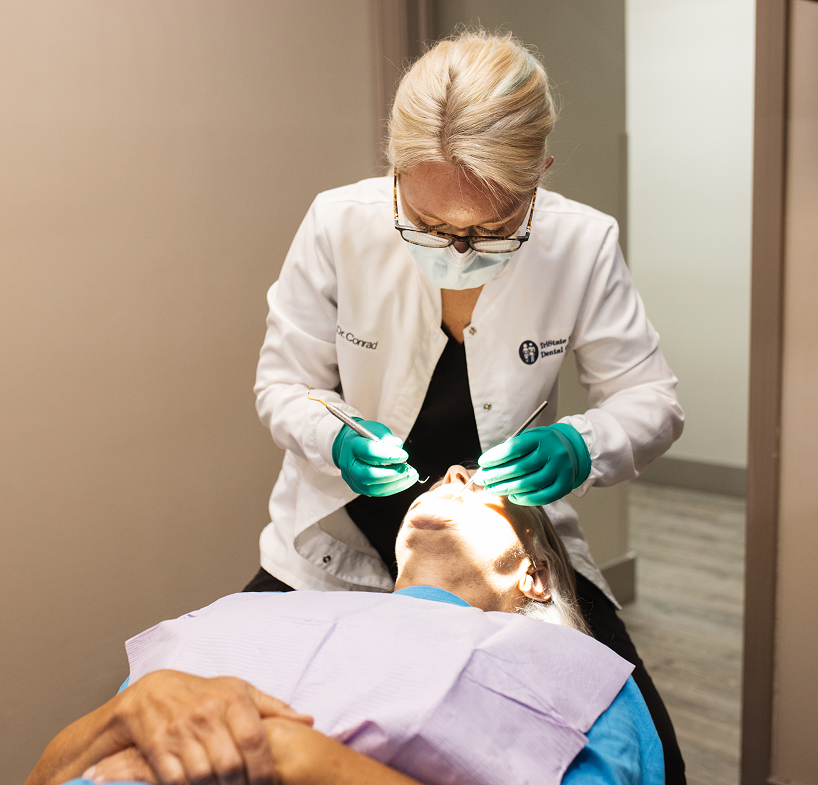
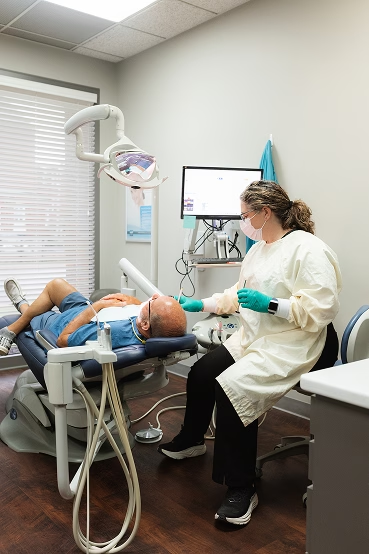
We always consider whether a tooth can be repaired before recommending extraction. When a tooth is too damaged, infected, or compromised to restore predictably, removing it may help prevent further problems and protect your overall oral health.

Schedule a dental evaluation if you experience:
Not every painful tooth needs to be removed. An examination can determine whether the tooth can be saved with restorative treatment.

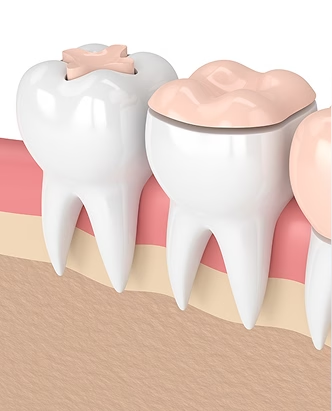
When enough healthy tooth structure remains, treatments such as a filling, crown, or root canal may allow us to preserve your natural tooth.
Extraction may be recommended when damage, decay, infection, or loss of support makes restoring the tooth unpredictable.
Have questions about our services, locations, or what to expect at your first appointment?
We have answers
Local anesthesia is used to numb the treatment area and help keep you comfortable during the extraction. Some soreness afterward is normal and typically improves as the area heals.
Extraction may be recommended for severe decay, infection, significant fractures, advanced gum disease, or a tooth that cannot be predictably restored.
Initial healing generally occurs over several days, although complete healing takes longer. Your dentist will provide instructions based on your specific procedure.
Soft foods are generally recommended during the early stages of healing. Avoid foods and habits that could irritate or disturb the extraction site.
Dry socket can occur when the protective blood clot at the extraction site is lost or disrupted before the area has healed. Following your aftercare instructions can help reduce the risk.
Sometimes. Depending on the extent of damage, a filling, crown, or root canal may allow the tooth to be preserved. Your dentist will evaluate the tooth before recommending extraction.
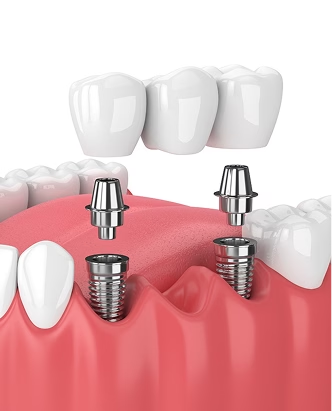
Not every extracted tooth requires replacement, but replacing certain missing teeth can help restore chewing function and maintain proper alignment. We’ll discuss your options when appropriate.
Depending on your needs, options may include a dental implant, dental bridge, or removable denture.
Explore More restorative dentistry services