Examine the Tooth
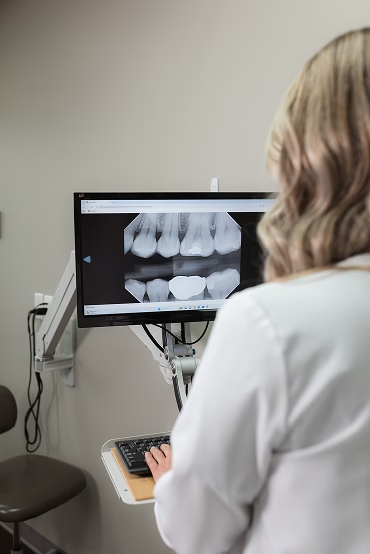
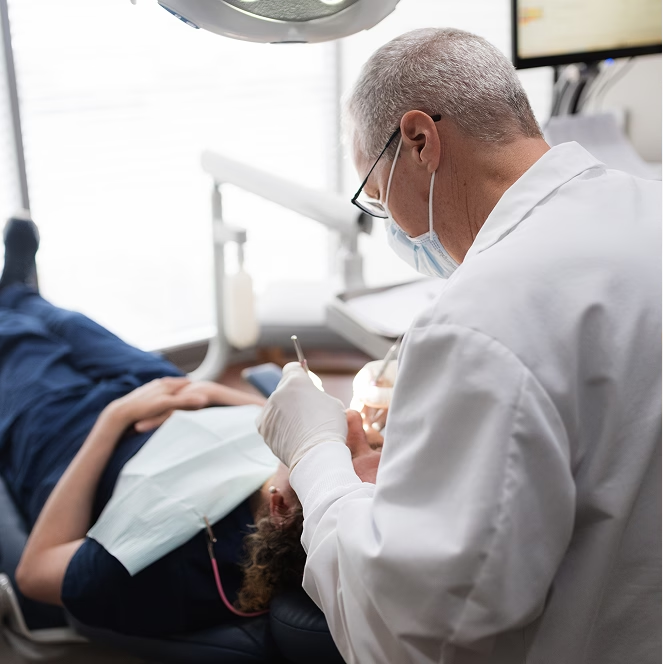
Your dentist evaluates the affected tooth and may use digital X-rays to determine the extent of the decay.

Repair cavities and damaged teeth with durable, natural-looking dental fillings at TriState Family Dental Centers. Our personalized restorative care helps protect your tooth, restore comfortable function, and prevent decay from becoming more extensive.
SMALL REPAIR. LASTING PROTECTION.
A cavity may start small, but untreated tooth decay can continue to spread and weaken your tooth. Dental fillings remove the damaged portion of the tooth and restore the area before the problem becomes more extensive.
At TriState Family Dental Centers, we focus on conservative treatment that preserves healthy tooth structure while restoring the strength, function, and natural appearance of your smile.
RESTORING STRENGTH. PREVENTING FURTHER DAMAGE.
Dental fillings don’t simply cover a cavity. They restore areas weakened by decay and help protect your natural tooth from additional damage.

EARLY TREATMENT CAN KEEP CARE SIMPLE.




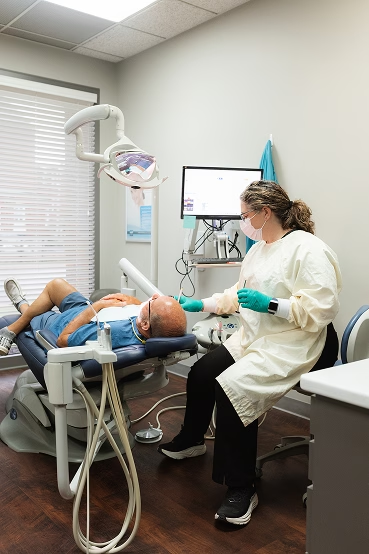
Tooth decay doesn’t heal on its own. As a cavity becomes larger, it can reach deeper layers of the tooth and eventually lead to pain, infection, or the need for more extensive treatment.
Treating cavities with dental fillings while they’re still relatively small helps preserve more natural tooth structure and protect your smile.

You may need a dental filling if you experience:
Some cavities cause no noticeable symptoms, which is why regular dental exams and X-rays are important for early detection.

A filling is typically used to repair a smaller area of decay or damage when enough healthy tooth structure remains.
A crown covers and protects more of the tooth and may be recommended when a tooth has extensive decay, a large fracture, or significant structural weakness.
Have questions about our services, locations, or what to expect at your first appointment?
We have answers
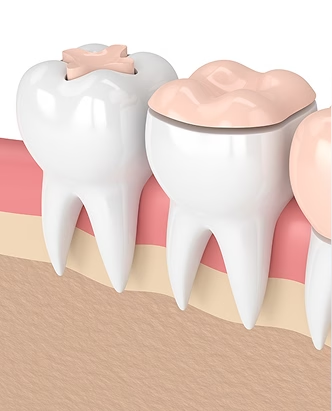
A dental filling repairs an area of a tooth damaged by decay or minor injury. The damaged portion is removed and replaced with restorative material to rebuild the tooth.
Cavities may cause sensitivity, discomfort, visible discoloration, or pain when chewing. However, some cavities have no symptoms and are discovered during routine dental exams or X-rays.
The area is typically numbed before treatment to help keep you comfortable. Some temporary sensitivity may occur afterward.
Treatment time depends on the size and location of the cavity and the number of teeth being treated. Many fillings can be completed during a single appointment.
The lifespan of a filling depends on its material, size, location, your bite, and oral hygiene habits. Regular dental exams allow us to monitor your restorations over time.
Your dentist will provide specific instructions based on the material used. If your mouth is still numb, you may be advised to wait until sensation returns before chewing.
Yes. Fillings that become worn, cracked, loose, or damaged can often be replaced to restore and protect the tooth.
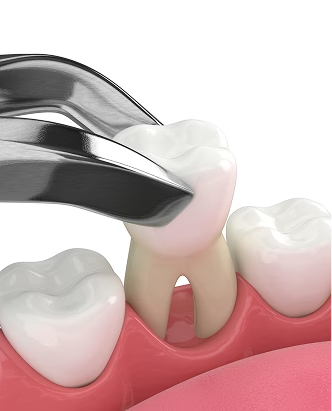
Untreated decay can continue deeper into the tooth, potentially causing pain, infection, or structural damage that requires a crown, root canal, or extraction.
Explore More restorative dentistry services